



What's Happening?
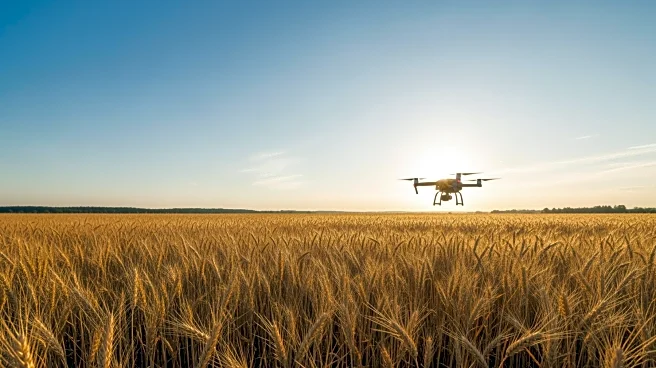
The global agricultural commodity market is projected to grow from $1.7 trillion in 2024 to $1.9 trillion by 2030, driven by technological advancements and changing consumer preferences. The market is experiencing structural shifts due to trade policy changes, climate volatility, and geopolitical tensions. Precision agriculture tools, such as satellite monitoring and AI-driven analytics, are enhancing yield predictability and resource efficiency. Additionally, blockchain technology is improving traceability in commodity transactions. Consumer demand for sustainably sourced and organic products is reshaping commodity demand profiles, with a focus on climate-smart and non-GMO certifications.
Why It's Important?
The growth in the agricultural commodity market is significant
for the U.S. economy, as it highlights the increasing importance of technology in agriculture. The adoption of precision agriculture and blockchain technology can lead to more efficient and sustainable farming practices, potentially reducing costs and increasing profitability for U.S. farmers. The shift towards sustainable and organic products aligns with consumer trends, offering new market opportunities. However, geopolitical tensions and climate change pose challenges that require strategic adaptation to maintain competitiveness in the global market.
What's Next?
As the market evolves, U.S. stakeholders may need to invest in technology and sustainable practices to remain competitive. The focus on climate-resilient crops and sustainable sourcing is likely to continue, driven by consumer demand and regulatory pressures. The U.S. may also need to navigate trade disruptions and geopolitical tensions, which could impact commodity flows and pricing. Continued investment in research and development, as well as collaboration with international partners, will be crucial to address these challenges and capitalize on emerging opportunities.