






What's Happening?
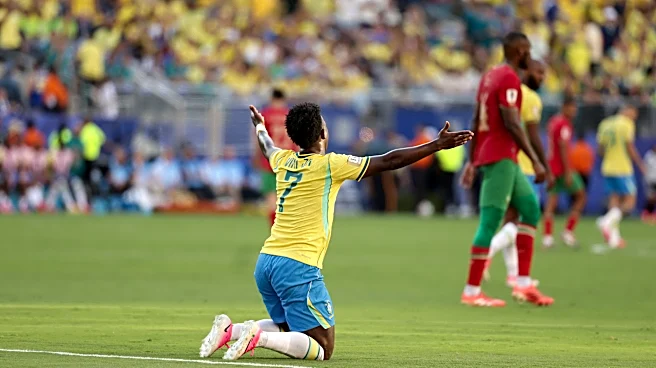
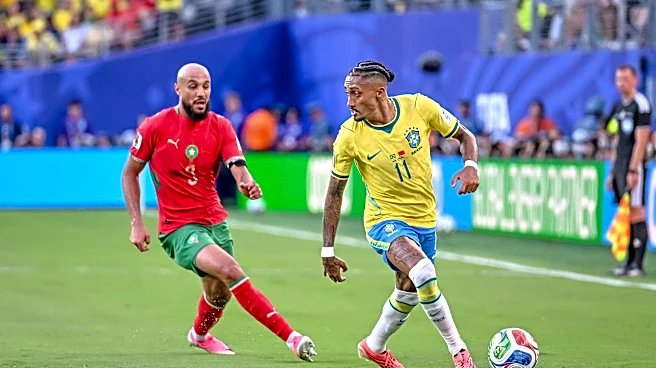
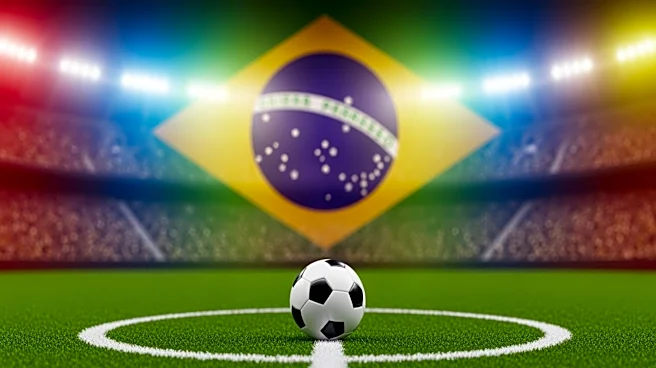
During the 2026 World Cup match between Morocco and Brazil at MetLife Stadium, Moroccan fans employed a unique tactic of whistling to disrupt the opposing team. This practice, which is not common in English-speaking countries where booing is more prevalent,
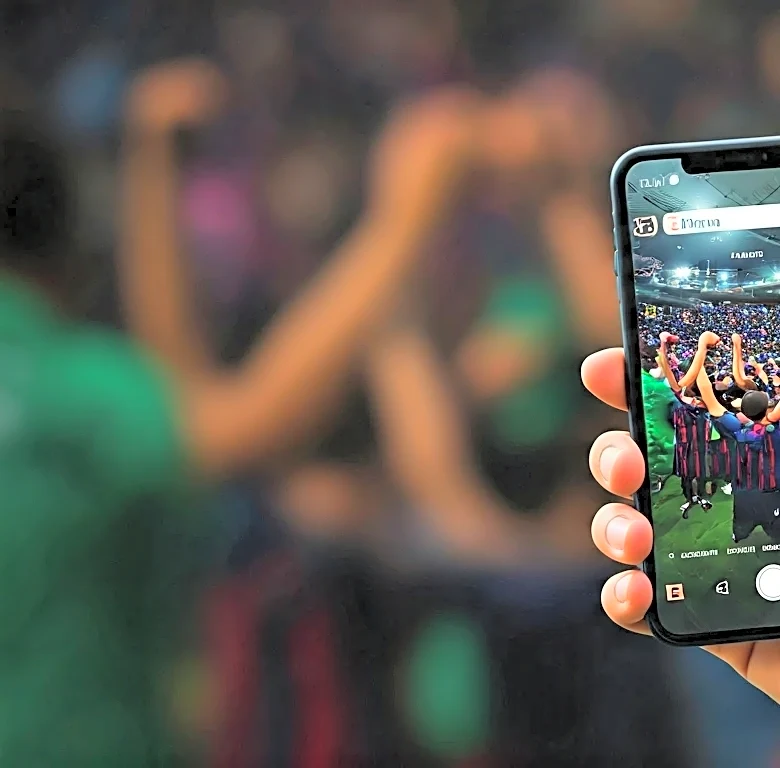
is used by Moroccan fans to create a hostile atmosphere and distract players on the field. The whistling aims to disrupt communication among the opposing players and staff, and to express dissatisfaction with certain players or refereeing decisions. Additionally, Moroccan fans are known for their 'Viking clap,' a choreographed chant that involves synchronized clapping and yelling, which they adopted during the 2022 World Cup.
Why It's Important?
The use of whistling by Moroccan fans highlights the cultural differences in fan behavior at international sporting events. This tactic can significantly impact the dynamics of a match by affecting player performance and communication. For teams like Brazil, facing such an atmosphere can be challenging, potentially influencing the outcome of the game. The presence of such passionate fan support underscores the growing prominence of Morocco in international soccer, as they continue to build on their historic performance in the 2022 World Cup where they reached the semifinals. This development also reflects the increasing influence of African teams and their supporters on the global stage.
What's Next?
As the World Cup progresses, other teams may need to prepare for similar tactics from Moroccan fans, potentially adapting their strategies to mitigate the impact of such disruptions. The effectiveness of these fan tactics could lead to discussions among teams and officials about managing crowd behavior and its influence on the game. Additionally, the visibility of Moroccan fans' unique support methods may inspire other fan bases to adopt similar practices, further diversifying the cultural expressions seen at international sporting events.