

What's Happening?
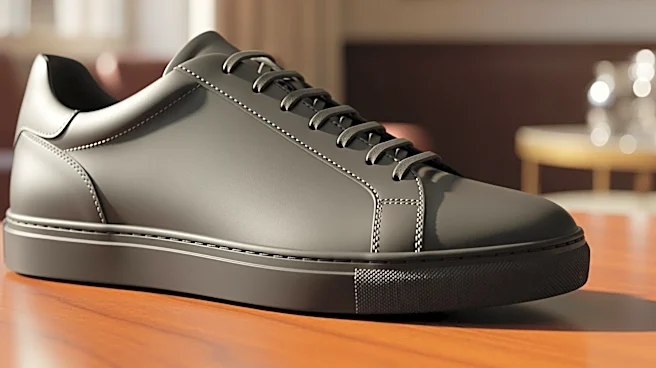
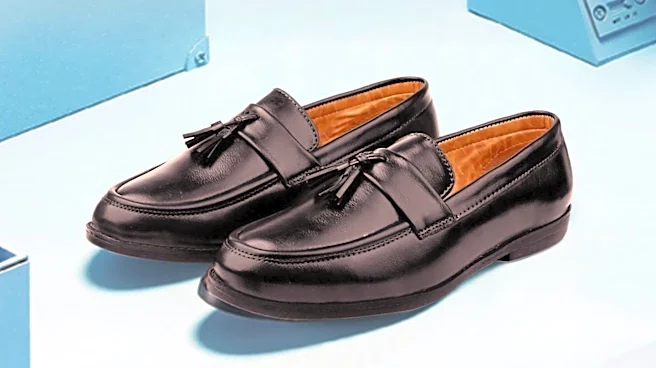
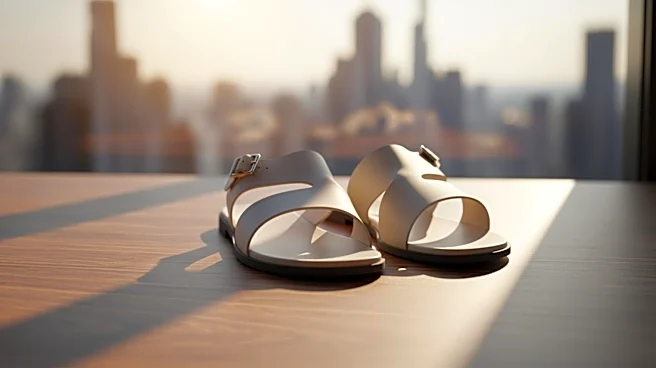
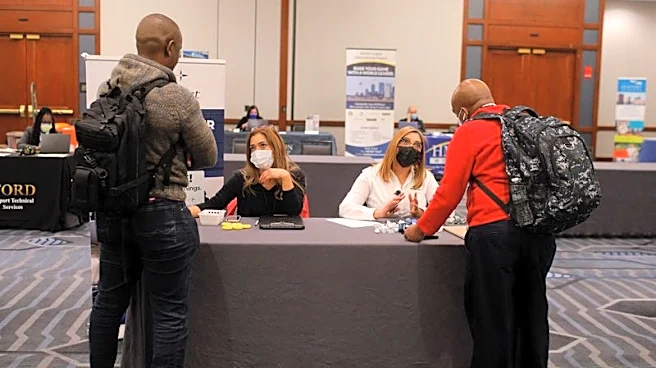
As companies enforce return-to-office policies in 2026, there is a notable shift in workplace fashion, particularly in footwear choices. Many women are opting for flats over traditional heels, driven by the need for comfort and practicality during long
commutes and extended workdays. This trend is supported by labor market data from LinkedIn Economic Graph and Dataintelo, which show a majority of job postings are now fully on-site or primarily office-based. The shift in dress codes towards business casual, as reported by Monster, further supports this change, with 63% of offices adopting more relaxed attire. The demand for comfortable yet stylish footwear is rising, with a study from MESH01 indicating that 95% of U.S. consumers prioritize comfort when selecting work shoes.
Why It's Important?
The shift in workplace attire reflects broader changes in professional environments as companies adapt to post-pandemic realities. The increased demand for comfortable footwear highlights a significant change in consumer priorities, impacting the fashion industry and influencing product offerings. Brands like Tieks by Gavrieli are capitalizing on this trend by offering versatile flats that cater to the needs of modern professionals. This evolution in workplace fashion could lead to a reevaluation of traditional dress codes and influence future workplace policies, potentially affecting employee satisfaction and productivity.
What's Next?
As the trend towards comfort and practicality in workplace attire continues, companies may further relax dress codes to accommodate employee preferences. This could lead to increased innovation in the fashion industry, with brands developing new products that blend style with comfort. Employers might also consider the impact of these changes on workplace culture and employee engagement, potentially leading to more flexible work arrangements and policies that prioritize employee well-being.