


What's Happening?
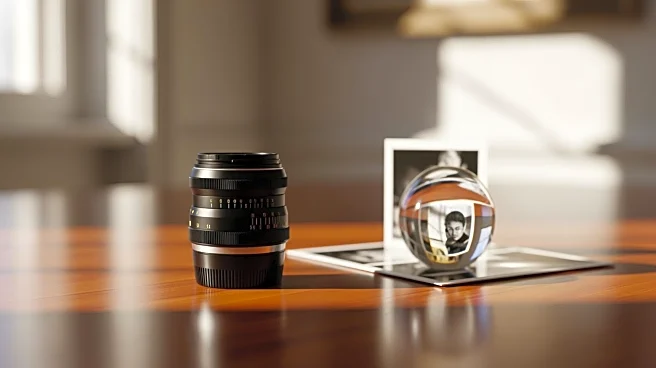
The J. Paul Getty Museum has acquired a significant collection of photographs by renowned photographer Irving Penn. This acquisition includes 189 prints created during Penn's travels in Cuzco, Peru. The collection was donated by the Irving Penn Foundation
and includes a maquette for a book titled 'Christmas in Cuzco.' This addition complements the museum's existing holdings of Penn's work, particularly the Small Trades series, which consists of 252 gelatin-silver and platinum-palladium prints acquired in 2008. The museum's director, Timothy Potts, highlighted that this acquisition strengthens the Getty's position as a key resource for the study and display of Penn's work and supports the museum's efforts to expand the representation of diverse communities in its collection.
Why It's Important?
The acquisition of Irving Penn's Cuzco series by the J. Paul Getty Museum is significant for several reasons. Firstly, it enhances the museum's already substantial collection of Penn's work, making it a leading institution for the study of this influential photographer. Penn's work is celebrated for its artistic and cultural value, and the addition of these photographs provides a richer context for understanding his contributions to photography. Furthermore, the museum's commitment to expanding the representation of diverse communities in its collection is underscored by this acquisition, as it includes works that capture the cultural essence of Cuzco, Peru. This move not only enriches the museum's offerings but also aligns with broader efforts in the art world to diversify and inclusively represent different cultures and communities.
What's Next?
The J. Paul Getty Museum is likely to integrate the newly acquired Irving Penn photographs into future exhibitions, providing visitors with an opportunity to engage with these culturally significant works. The museum may also use this acquisition as a platform to explore further collaborations with the Irving Penn Foundation or other institutions to enhance its collection and educational programs. Additionally, the museum's focus on expanding the representation of diverse communities could lead to more acquisitions or exhibitions that highlight underrepresented artists and cultures, further solidifying its role as a leader in the art world.