



What's Happening?
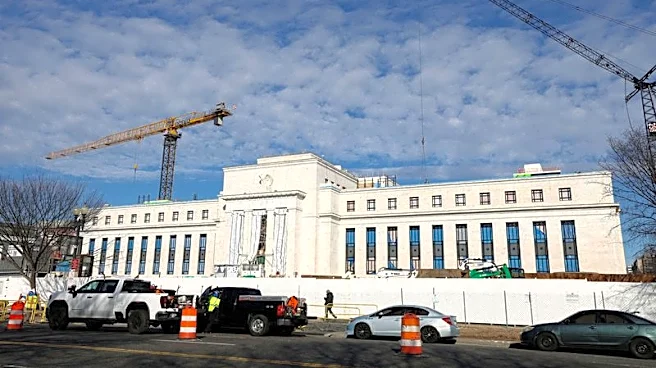
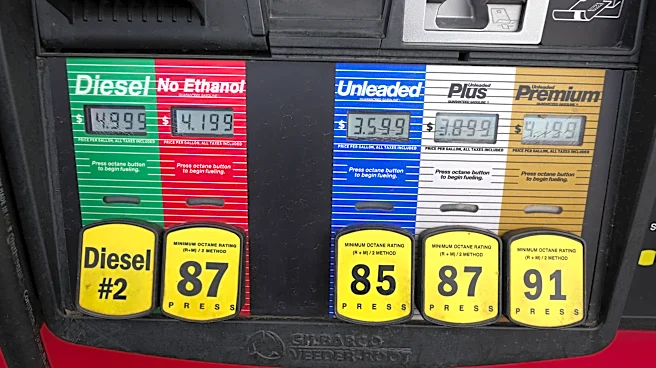
Chicago Federal Reserve President Austan Goolsbee has suggested that the Federal Reserve may need to delay interest rate cuts until 2027. This delay is attributed to the ongoing high oil prices resulting from the Iran war, which are hindering inflation's
progress towards the Fed's 2% target. In March, Fed policymakers decided to maintain short-term interest rates within the 3.50%-3.75% range, with a majority anticipating at least one rate cut this year. However, Goolsbee's recent comments indicate a shift in expectations, as he now believes that persistent inflation could push rate cuts beyond 2026. President Trump has criticized Fed Chair Jerome Powell for not implementing the steep rate cuts he deems necessary for the U.S. economy, expressing confidence that his nominee, Kevin Warsh, will deliver them. The current economic climate, marked by rising oil prices and inflation, presents challenges for Warsh if he assumes the role.
Why It's Important?
The potential delay in rate cuts has significant implications for the U.S. economy. High interest rates can slow economic growth by increasing borrowing costs for consumers and businesses. The ongoing inflation, driven by elevated oil prices, complicates the Federal Reserve's efforts to stabilize the economy. If rate cuts are postponed, it could impact sectors reliant on low borrowing costs, such as housing and consumer spending. Additionally, President Trump's criticism of Fed Chair Powell highlights the political pressure on the Federal Reserve to adjust its monetary policy. The nomination of Kevin Warsh as a potential successor to Powell suggests a possible shift in the Fed's approach to interest rates, which could influence economic policy and market expectations.
What's Next?
The Federal Reserve will continue to monitor inflation trends and economic indicators to determine the appropriate timing for interest rate adjustments. The outcome of the Iran war and its impact on oil prices will be crucial in shaping future monetary policy decisions. If inflationary pressures persist, the Fed may need to maintain higher interest rates for an extended period. Meanwhile, the nomination of Kevin Warsh as Fed Chair could lead to changes in the Fed's policy direction, depending on his approach to managing inflation and interest rates. Market participants and policymakers will closely watch these developments to assess their potential impact on the U.S. economy.