
What's Happening?
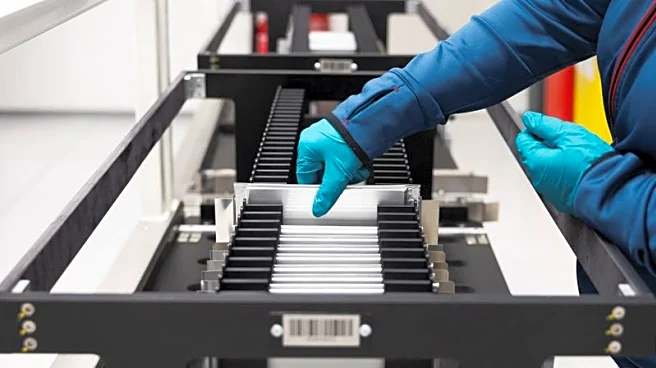
Škoda has inaugurated a new battery system assembly hall at its Mladá Boleslav plant, with an investment of €205 million. This facility is now the largest producer of battery electric vehicle (BEV) battery systems within the Volkswagen Group. The 55,000
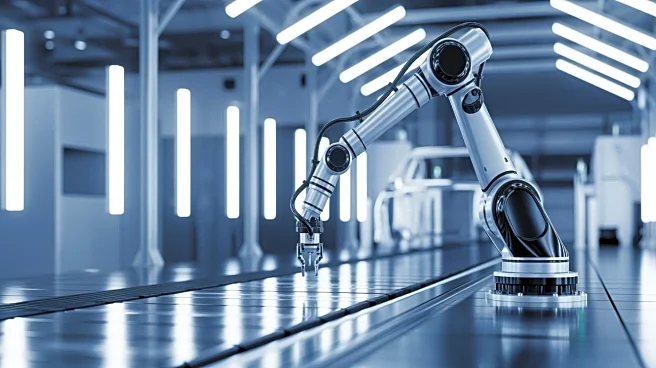
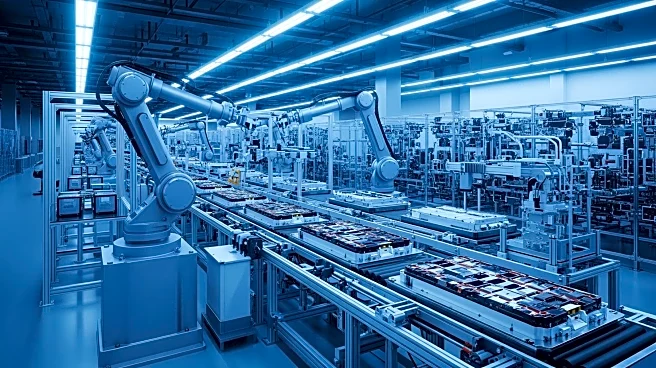
square meter facility was constructed in under a year and is the first Volkswagen Group site in Europe to produce cell-to-pack battery systems for high-volume electric vehicles. The production hall is highly automated, featuring 84% automation and 131 robots, with a cycle time of 60 seconds per battery system. Škoda plans to produce over 1,100 units per day, reaching up to 335,000 annually. The facility will supply battery systems for Škoda's own models as well as vehicles from other Volkswagen Group brands. The cell-to-pack technology employed uses lithium iron phosphate (LFP) chemistry, achieving a 30% reduction in battery costs compared to current MEB batteries. Since 2019, Škoda has produced approximately 1.4 million battery systems at Mladá Boleslav and has retrained or newly hired 600 employees for the new facility.
Why It's Important?
The opening of this battery system assembly hall is a significant step in Škoda's and the Volkswagen Group's electrification strategy. By localizing battery production, Škoda is strengthening the European value chain, making electric mobility more accessible and competitive. This development is crucial as the automotive industry shifts towards electric vehicles, driven by regulatory pressures and consumer demand for sustainable transportation. The reduction in battery costs through cell-to-pack technology could make electric vehicles more affordable, potentially increasing their adoption. Additionally, the facility's high production capacity supports the Volkswagen Group's goal of expanding its electric vehicle lineup, which is essential for maintaining competitiveness in the global automotive market.
What's Next?
Škoda's new facility is expected to play a central role in the Volkswagen Group's electrification efforts. As the demand for electric vehicles continues to grow, the production capacity of this facility will be critical in meeting market needs. The company may continue to invest in further automation and technology advancements to enhance production efficiency and reduce costs. Additionally, the success of this facility could influence other automakers to adopt similar strategies, potentially leading to more localized battery production across Europe. Stakeholders, including policymakers and industry leaders, will likely monitor the facility's impact on the European automotive market and its contribution to reducing carbon emissions.