







What's Happening?
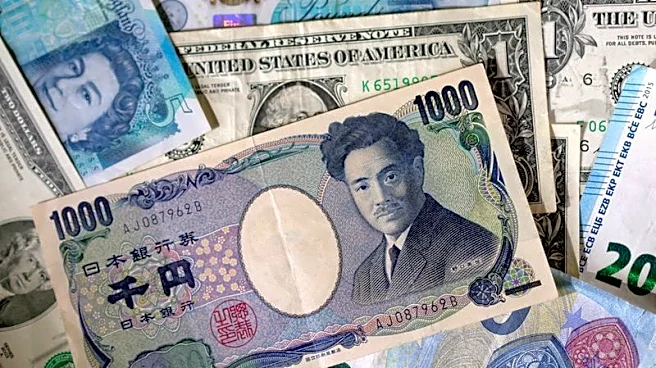
The U.S. dollar has risen for a second consecutive session following the release of economic data showing a significant increase in inflation. The Consumer Price Index (CPI) rose by 0.6% last month, aligning with economists' expectations, and marking
the largest year-on-year increase since May 2023. This inflation data, coupled with uncertainty surrounding a ceasefire in the Iran conflict, has bolstered the dollar's position as a safe-haven currency. The dollar index, which measures the greenback against a basket of major currencies, increased by 0.4%. The Federal Reserve is now expected to maintain higher interest rates to manage inflation, with markets largely dismissing the possibility of rate cuts this year.
Why It's Important?
The rise in the U.S. dollar reflects investor confidence in the currency amidst global uncertainties and domestic inflationary pressures. The Federal Reserve's stance on interest rates will be crucial in shaping economic policy and market expectations. A stronger dollar can impact international trade, making U.S. exports more expensive and affecting global economic dynamics. Additionally, the ongoing situation with Iran adds geopolitical risk, influencing market stability and investor sentiment. The interplay between inflation data and geopolitical developments will be pivotal in determining future economic and monetary policies.
What's Next?
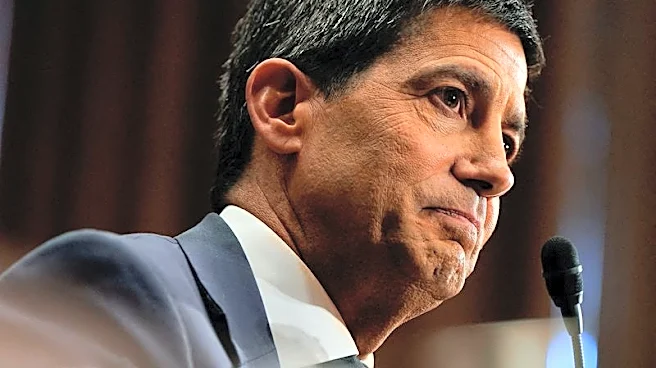
Investors and policymakers will closely monitor upcoming economic data and geopolitical developments. The Federal Reserve's decisions on interest rates will be critical in addressing inflation and maintaining economic stability. The situation with Iran remains fluid, with potential implications for global oil markets and international relations. Market participants will also watch for any changes in the Federal Reserve's leadership, as Kevin Warsh moves closer to confirmation as the next chair. These factors will shape the economic landscape and influence strategic decisions in the coming months.