





What's Happening?
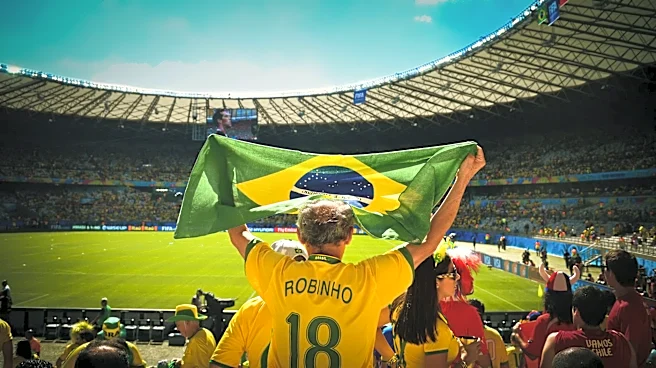
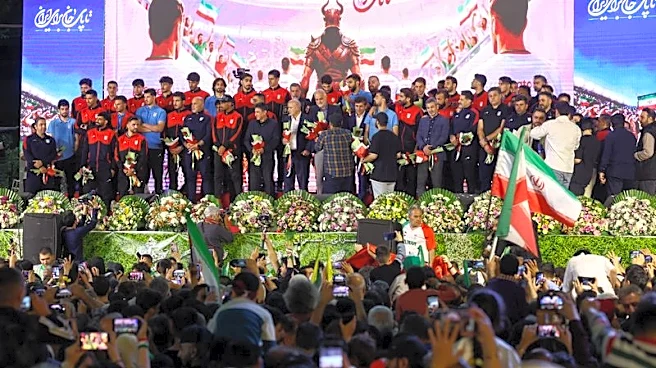
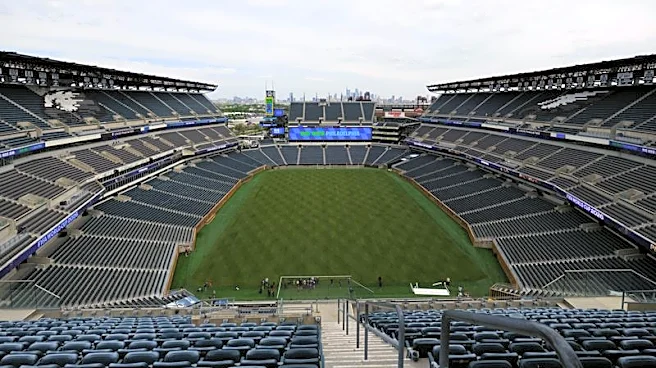
FIFA Secretary-General Mattias Grafstrom is set to meet with Iranian Football Federation officials in Istanbul to address concerns over Iran's participation in the upcoming World Cup, which is co-hosted by the US, Canada, and Mexico. The meeting aims
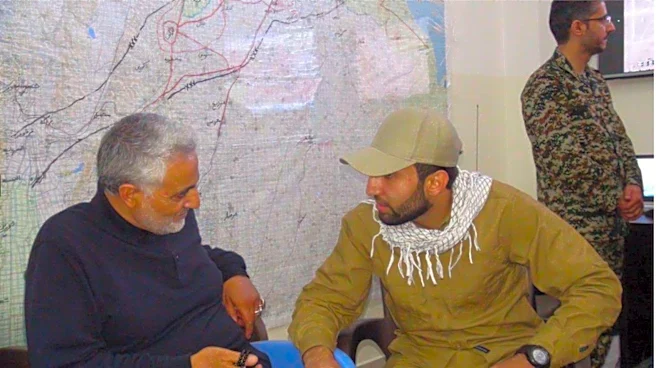
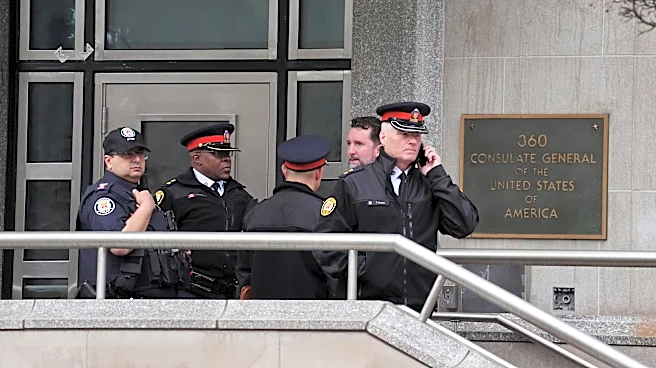
to reassure Iran about its ability to compete in the tournament despite geopolitical tensions. The US and Canada have classified Iran's Islamic Revolutionary Guard Corps as a terrorist entity, complicating entry for individuals linked to the group. Iran has requested that its matches be moved to Mexico, but FIFA President Gianni Infantino insists on maintaining the original schedule.
Why It's Important?
This situation underscores the complex intersection of sports and international politics. Iran's participation in the World Cup is not only a matter of sporting merit but also involves diplomatic negotiations. The outcome of these discussions could set a precedent for how geopolitical issues are managed in international sports events. Ensuring Iran's participation without discrimination is crucial for maintaining the integrity and inclusivity of the World Cup. The resolution of this issue could also influence future diplomatic relations between the involved countries and impact the global perception of the World Cup as a unifying event.
What's Next?
FIFA is working closely with relevant authorities to ensure that all teams can compete safely and securely. The Iranian national team is scheduled to leave for a training camp in Turkey before heading to their US base in Arizona. The outcome of the Istanbul meeting will likely determine whether Iran's request to relocate matches will be considered further. Additionally, the response from the US and Canadian governments regarding entry permissions for Iranian officials and players will be pivotal. The situation remains fluid, with potential implications for the tournament's logistics and diplomatic relations.