


What's Happening?
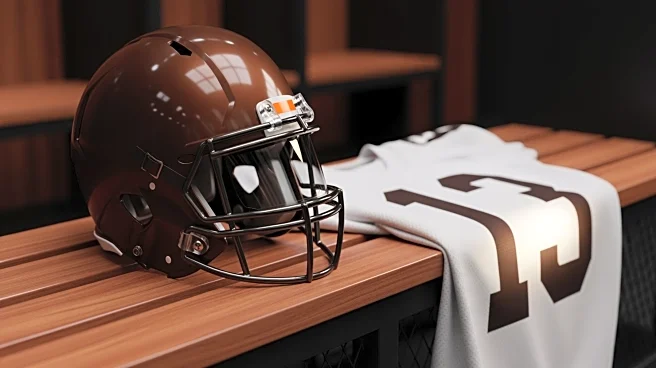
Shedeur Sanders, a player for the Cleveland Browns, has announced a change in his jersey number from 12 to 2 for his second NFL season. This change marks a return to the number he wore during his college career in Colorado. The decision to switch numbers
is notable due to the popularity of Sanders' previous jersey, which was among the top sellers in the 2025 offseason. The NFL typically requires players to purchase existing inventory of their old jerseys, but it is unclear if Sanders will incur this cost. His partnership with Nike, which manufactures NFL jerseys, may influence the logistics of this transition.
Why It's Important?
The change in Shedeur Sanders' jersey number is significant for both the player and the Cleveland Browns' fan base. Jersey numbers hold symbolic value for athletes and can impact merchandise sales and fan engagement. Sanders' decision to revert to his college number may resonate with fans who followed his collegiate career, potentially boosting sales of his new jersey. Additionally, the move highlights the business aspects of professional sports, where player branding and merchandise play a crucial role in revenue generation. The outcome of this change could influence future decisions by other players regarding jersey numbers.
Beyond the Headlines
The decision by Shedeur Sanders to change his jersey number underscores the intersection of personal branding and commercial interests in professional sports. Players often use jersey numbers as a form of personal expression, and changes can reflect shifts in their career or personal identity. The financial implications of such changes, including the cost of unsold inventory, highlight the complexities of sports merchandising. This situation also illustrates the influence of corporate partnerships, as Sanders' relationship with Nike may affect the handling of his jersey transition. The broader impact on fan loyalty and merchandise sales will be an area to watch.