




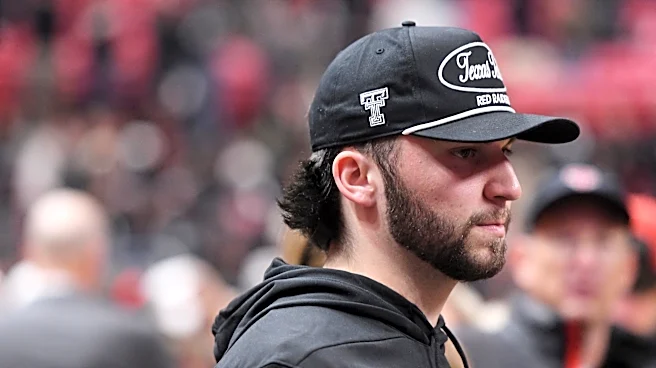
What's Happening?
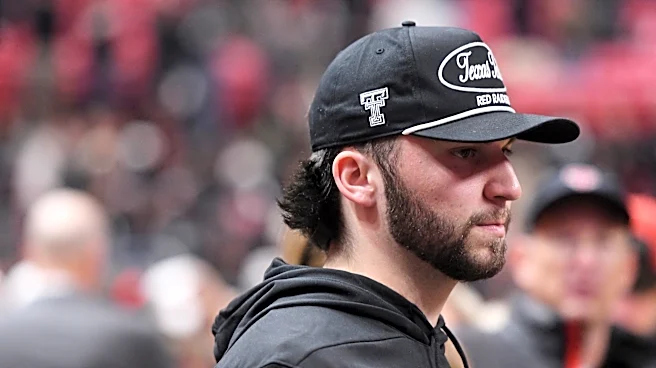
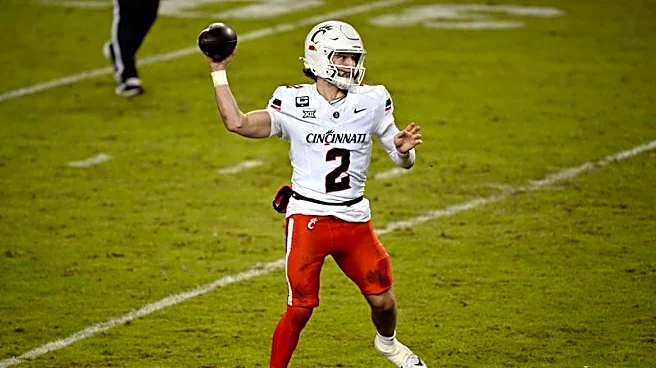
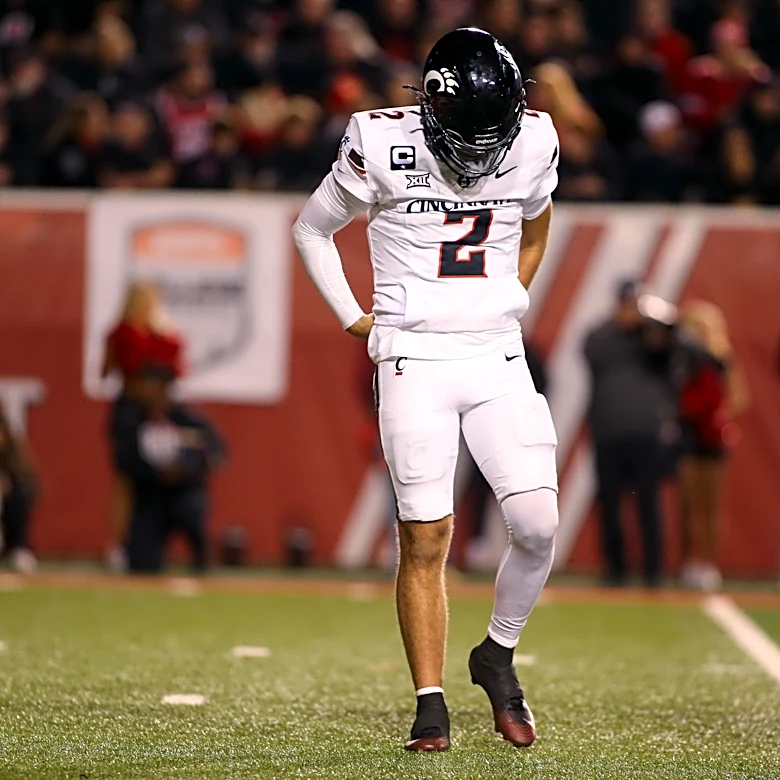
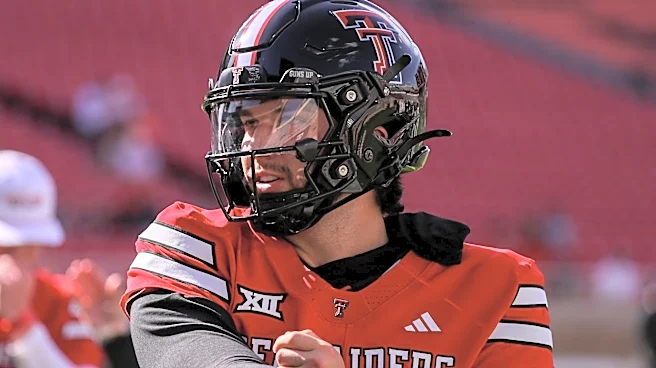
A recent court ruling has granted Texas Tech quarterback Brendan Sorsby a temporary injunction against the NCAA, allowing him to play in 2026 despite admitting to gambling on college sports. This decision, made by Judge Ken Curry, has raised questions
about the NCAA's ability to enforce its rules, particularly regarding gambling. The ruling has sparked widespread reactions, highlighting the challenges the NCAA faces in maintaining its authority amid legal scrutiny.
Why It's Important?
The ruling underscores the vulnerabilities in the NCAA's enforcement mechanisms and the potential impact of judicial decisions on college sports governance. It highlights the need for legal reforms to provide the NCAA with the authority to enforce its rules effectively. The case has broader implications for the integrity of college sports, as it challenges the fundamental rule against participants betting on games they can influence. This situation may prompt calls for legislative action to protect the NCAA's regulatory framework.
What's Next?
The ruling may lead to increased pressure on Congress to grant the NCAA a limited antitrust exemption, allowing it to enforce eligibility and integrity rules without constant legal challenges. This could involve legislative efforts to establish clearer guidelines for the NCAA's authority and ensure the integrity of college sports. The case may also influence ongoing discussions about the role of the judiciary in sports governance and the need for a balanced approach to regulation.