

What's Happening?
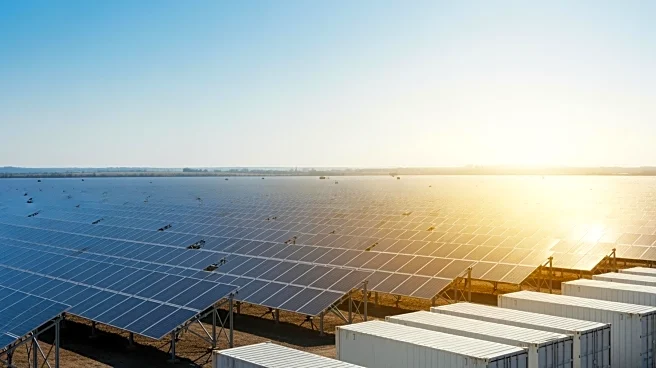
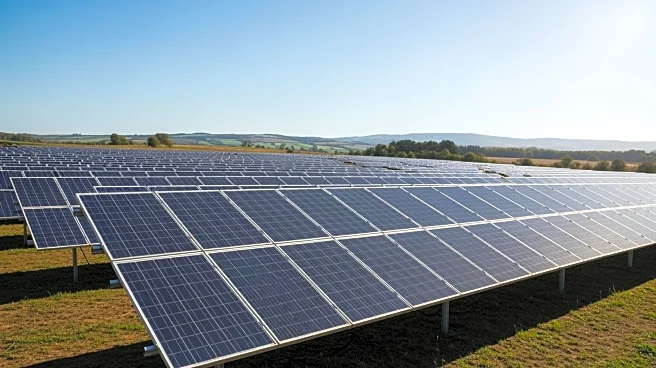
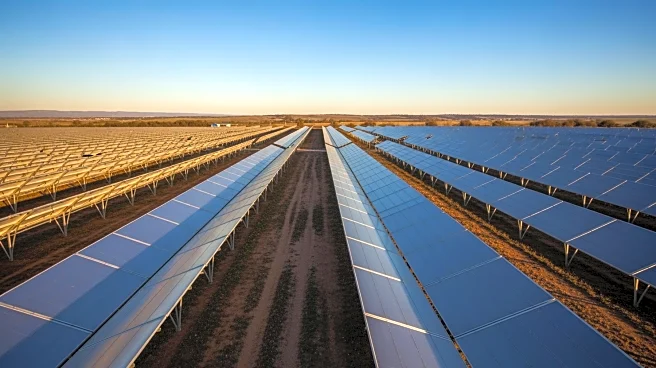
Avantus, a U.S.-based clean energy company, in collaboration with Toyota Tsusho America (TAI), has completed the 159-MW Norton Solar Project in Runnels County, Texas. The project, announced on March 18, includes a long-term virtual power purchase agreement
with Toyota Motor North America, ensuring the full output of the solar facility is utilized. TAI, a subsidiary of Japan's Toyota Tsusho Corp, emphasized the project's role in advancing their clean energy commitments. The construction was led by Renewable Energy Systems (RES), a UK-based company, which served as the engineering, procurement, and construction (EPC) contractor. The project not only supports Toyota's sustainability goals but also created nearly 250 jobs during peak construction, promising ongoing economic benefits to the local community.
Why It's Important?
The completion of the Norton Solar Project represents a significant step in the transition to renewable energy, aligning with global corporate sustainability goals. For Toyota, this project is a tangible advancement in their commitment to clean energy, potentially influencing other corporations to follow suit. Economically, the project has provided job opportunities and is expected to continue contributing to the local economy in Runnels County. On a broader scale, Avantus's ongoing development of solar and energy storage projects across the western U.S. could play a crucial role in the country's energy landscape, promoting energy independence and reducing carbon emissions.
What's Next?
Avantus plans to continue its expansion in the renewable energy sector, with approximately 24 GW of solar and 75 GWh of energy storage projects under development. This ongoing development could lead to further collaborations with major corporations seeking to enhance their sustainability profiles. The success of the Norton Solar Project may also encourage other regions to invest in similar renewable energy projects, potentially leading to policy changes that support such initiatives. Stakeholders, including local governments and environmental groups, may advocate for more projects that provide both economic and environmental benefits.