




What's Happening?
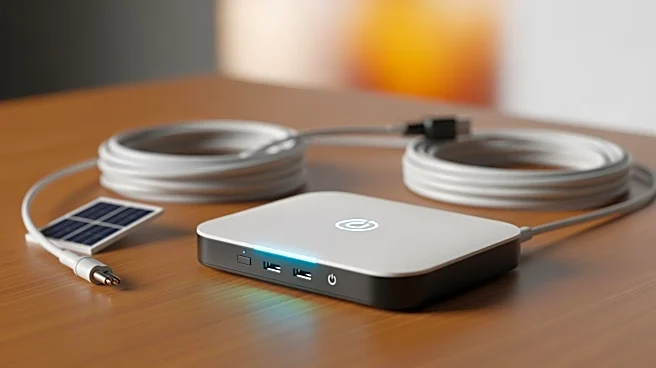
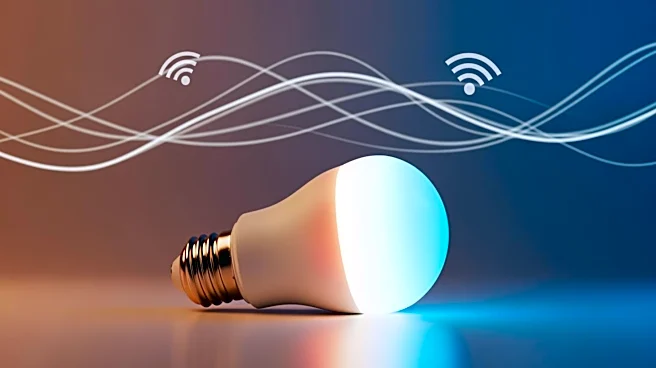
Homeowners are increasingly adopting smart home technology to enhance convenience and reduce energy costs. According to a report, smart devices such as LED bulbs, smart power strips, smart thermostats, and electric fireplaces are proving to be effective
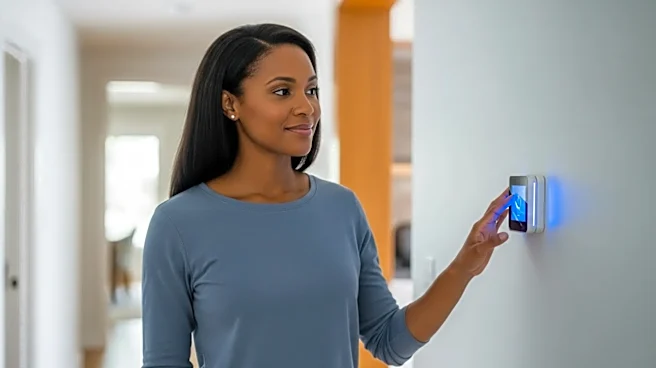
in cutting down energy expenses. LED bulbs, for instance, consume up to 90% less energy than traditional incandescent bulbs and can last significantly longer, offering an average annual savings of $225 per household. Smart power strips help eliminate 'energy vampires' by cutting off power to devices not in use, potentially saving up to $183 annually. Smart thermostats can adjust home temperatures based on occupancy, leading to savings of 10% to 23% on heating and cooling costs. Electric fireplaces are also highlighted for their efficiency, converting nearly all electricity into usable heat, unlike traditional fireplaces that lose most heat through the chimney.
Why It's Important?
The integration of smart home technology represents a significant shift towards energy efficiency and cost savings for homeowners. As energy prices continue to rise, these devices offer practical solutions to reduce household expenses. The adoption of smart technology not only benefits individual homeowners but also contributes to broader environmental goals by reducing overall energy consumption. This trend is likely to influence the market for home appliances and energy solutions, encouraging manufacturers to innovate and offer more energy-efficient products. Additionally, the increased use of smart devices may drive advancements in home automation and connectivity, further enhancing the convenience and functionality of modern homes.
What's Next?
As smart home technology becomes more prevalent, homeowners can expect further innovations in energy-saving devices. Companies may introduce more advanced features in smart thermostats and power strips, enhancing their ability to optimize energy use. The market for smart home devices is likely to expand, with new products offering greater integration and control over home environments. Homeowners may also see increased incentives from energy providers to adopt these technologies, potentially including rebates or discounts. Furthermore, as awareness of energy efficiency grows, there may be a push for regulatory measures to encourage the use of smart technology in residential settings.
Beyond the Headlines
The adoption of smart home technology raises questions about data privacy and security, as these devices often rely on internet connectivity and data collection to function effectively. Homeowners must consider the implications of sharing personal data with device manufacturers and service providers. Additionally, the shift towards smart technology may impact traditional industries, such as HVAC and lighting, prompting them to adapt to changing consumer preferences. The environmental benefits of reduced energy consumption also align with global efforts to combat climate change, highlighting the role of technology in achieving sustainability goals.