
What's Happening?
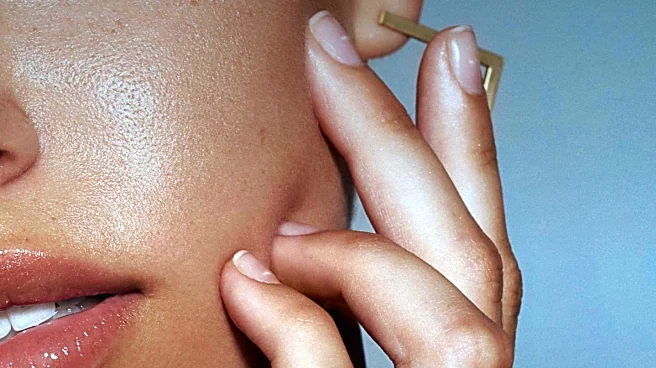
A new facial treatment offered by Sonia Vargas in Beverly Hills, known as the 'Restructuring & Rebalancing Facial,' incorporates a tuning fork vibrating at Schumann resonance, claimed to aid immune function
and chronic pain. The 90-minute session, priced at $430, includes traditional facial techniques like lymphatic drainage and myofascial release, alongside less conventional methods such as vibrational therapy. While the lymphatic drainage has scientific support for reducing swelling, the vibrational therapy's efficacy remains uncertain, with studies showing varied results. Dermatologists acknowledge the treatment's safety but question its claimed benefits.
Why It's Important?
The popularity of such alternative therapies highlights a growing trend in wellness and beauty industries, where consumers seek treatments that promise holistic benefits. Despite the lack of robust scientific evidence, these treatments appeal to those looking for stress relief and temporary aesthetic improvements. The facial's high cost and mixed scientific backing raise questions about the value and effectiveness of such luxury wellness services. This trend reflects broader societal shifts towards personalized and experiential health and beauty solutions, potentially influencing market dynamics and consumer expectations.
What's Next?
As interest in alternative wellness treatments grows, further research may be conducted to explore the efficacy of vibrational therapy and similar methods. The beauty industry might see an increase in demand for treatments that combine traditional and alternative techniques. Regulatory bodies could also scrutinize claims made by such services to ensure consumer protection. Meanwhile, practitioners like Vargas may continue to innovate and adapt their offerings to meet evolving consumer preferences and scientific insights.
Beyond the Headlines
The integration of alternative therapies into mainstream beauty treatments raises ethical considerations about consumer transparency and the marketing of unproven benefits. It also reflects cultural shifts towards holistic health approaches, where mental well-being and physical appearance are increasingly interconnected. This trend may influence how beauty and wellness industries develop, potentially leading to new standards and practices that prioritize both scientific validation and consumer satisfaction.