
What's Happening?
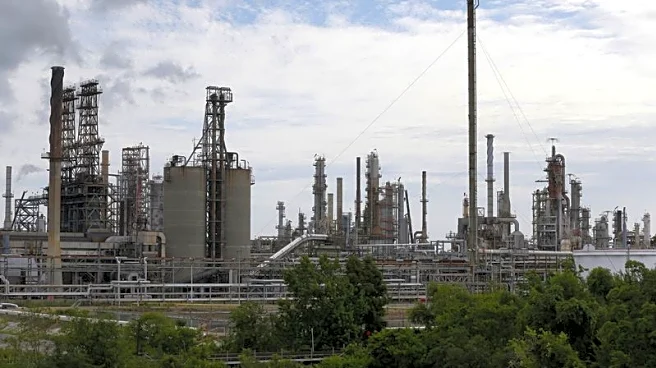
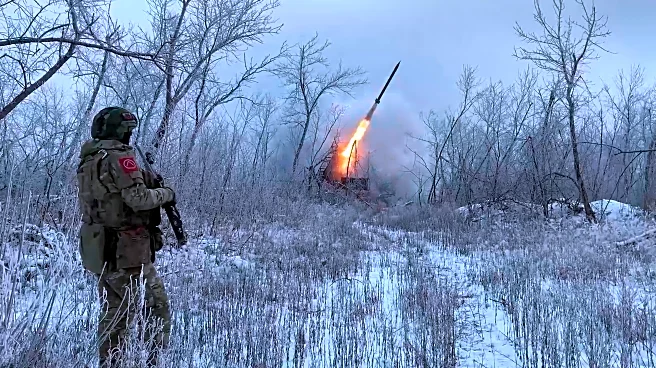
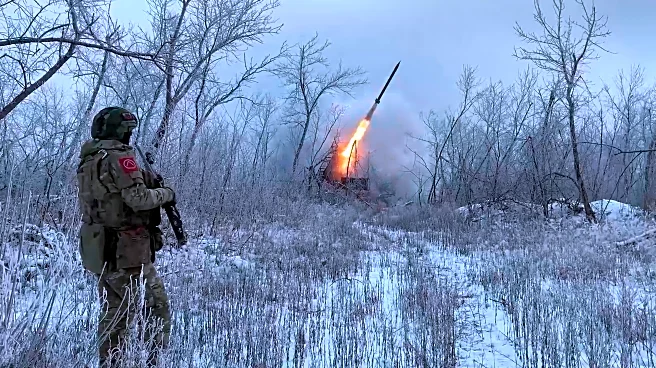
Oil prices have declined for a second consecutive day, driven by concerns over a potential oversupply and the possibility of a peace deal in the Russia-Ukraine conflict. Brent crude futures fell by 0.26%
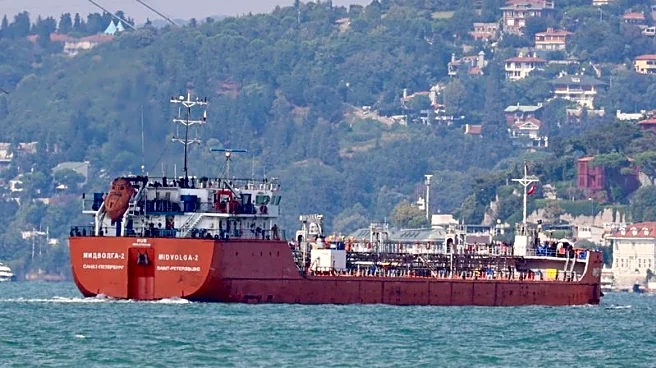
to $61.12 a barrel, while U.S. West Texas Intermediate crude decreased by 0.28% to $57.44. The market is also reacting to potential disruptions in Venezuelan oil supply following the U.S. seizure of a tanker. Despite these tensions, the overall market sentiment reflects an expectation of supply exceeding demand. The Organization of the Petroleum Exporting Countries (OPEC) has indicated that world oil supply will closely match demand by 2026, contrasting with the International Energy Agency's (IEA) more bearish outlook.
Why It's Important?
The decline in oil prices amid oversupply concerns highlights the volatility in global energy markets. The potential for a peace agreement between Russia and Ukraine could lead to increased oil supply, further impacting prices. The U.S. actions against Venezuelan oil shipments add another layer of complexity, potentially affecting global supply chains and market stability. These developments are significant for energy-dependent economies and industries, as fluctuations in oil prices can influence economic growth, inflation, and energy policy. The contrasting forecasts from OPEC and the IEA also reflect differing perspectives on future market dynamics, which could shape strategic decisions by governments and energy companies.
What's Next?
The market will continue to monitor geopolitical developments, particularly the U.S. actions regarding Venezuelan oil and the progress of Russia-Ukraine peace talks. Any significant changes in these areas could lead to shifts in oil supply and demand dynamics. Analysts suggest that while there may be temporary support for oil prices due to supply disruptions, the general expectation of oversupply could limit any sustained price rallies. Stakeholders in the energy sector will need to remain vigilant and adaptable to navigate these uncertainties and mitigate potential economic impacts.