


What's Happening?
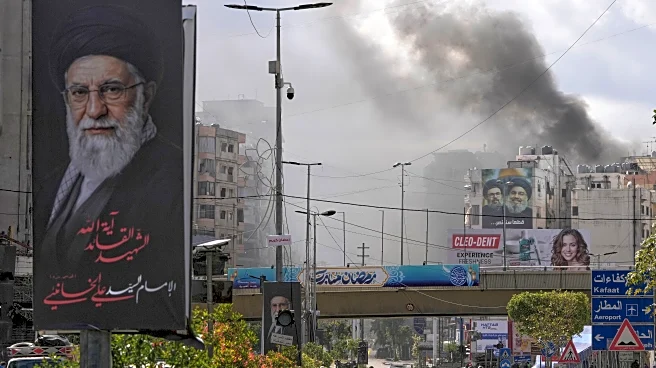
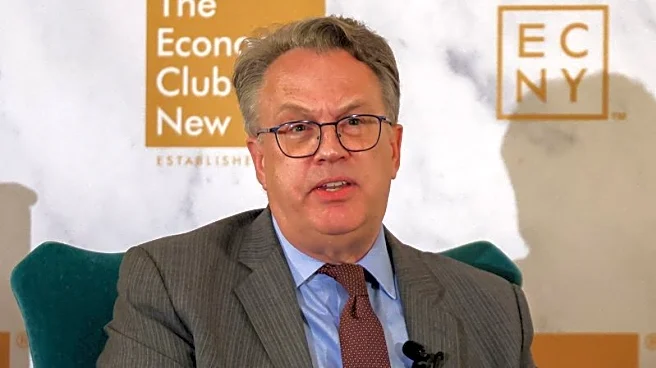
Federal Reserve Chair Jerome Powell spoke at Harvard University, emphasizing the importance of monitoring inflation due to rising energy prices linked to the Iran war. Gas prices in the U.S. have approached $4 per gallon, creating economic challenges.
Powell noted that while energy shocks are typically short-lived, they could still pose concerns if they lead to sustained inflation expectations. He highlighted the Fed's limited ability to address short-term energy shocks, as monetary policy operates over a longer timeframe. President Trump has urged the Fed to cut interest rates to lower borrowing costs, but Powell has maintained a cautious stance, which has led to tensions with the administration. The Fed's dual mandate of price stability and maximum employment is complicated by tariffs and rising energy costs.
Why It's Important?
The Fed's response to inflation and energy price spikes is crucial for the U.S. economy. Rising energy costs can lead to higher consumer prices, affecting household budgets and potentially slowing economic growth. The Fed's cautious approach aims to balance these risks while maintaining its mandate. President Trump's push for lower interest rates reflects a desire to stimulate economic activity, but Powell's caution underscores the complexity of managing inflation without destabilizing the economy. The situation highlights the challenges faced by central banks in navigating external shocks and maintaining economic stability.
What's Next?
The Fed will continue to monitor inflation and energy prices closely, with potential adjustments to monetary policy depending on economic developments. The ongoing Iran war and its impact on energy prices will be key factors in the Fed's decision-making process. The central bank's ability to maintain its independence and focus on its mandate will be tested as political pressures mount. Future policy meetings will provide further insights into the Fed's strategy for addressing these challenges.