







What's Happening?
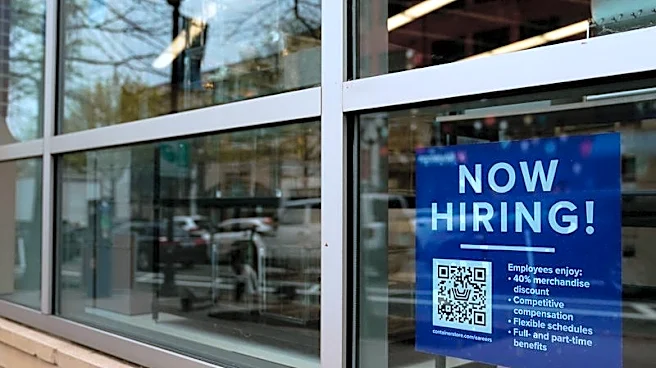
Ford CEO Jim Farley has expressed concerns about the United States' vulnerability due to ongoing skilled worker shortages. In a recent podcast episode, Farley described the situation as the 'most vulnerable' the country has ever been, emphasizing the impact
on the 'essential economy' which includes construction workers, manufacturing employees, and tradespeople. Industry data supports these concerns, with nearly half of U.S. manufacturers identifying worker attraction and retention as a top challenge. A study by the U.S. Census Bureau predicts a potential shortfall of 2.1 million manufacturing jobs by 2030. Ford has been actively working to attract new talent by offering incentives and organizing workforce development summits. The company is not alone in these efforts, as General Motors has also invested significantly in training programs to expand its workforce.
Why It's Important?
The shortage of skilled workers in the U.S. has significant implications for the economy. As industries struggle to fill essential roles, the ripple effects could lead to increased costs, longer wait times for products and services, and fewer economic opportunities. This shortage threatens the stability and growth of key sectors, potentially hindering economic recovery and competitiveness on a global scale. Companies like Ford and General Motors are investing in workforce development to mitigate these challenges, but the broader economic impact remains a concern. The situation underscores the need for strategic policy interventions and educational reforms to address the skills gap and ensure a robust labor market.
What's Next?
Efforts to address the skilled worker shortage are likely to continue, with companies and policymakers exploring various strategies to attract and retain talent. Workforce development initiatives, educational partnerships, and policy reforms may be prioritized to bridge the skills gap. The automotive industry, in particular, may see increased collaboration with educational institutions to develop training programs that align with industry needs. Additionally, there may be a push for immigration reforms to attract skilled workers from abroad. The success of these efforts will be crucial in determining the future resilience of the U.S. economy.