






What's Happening?
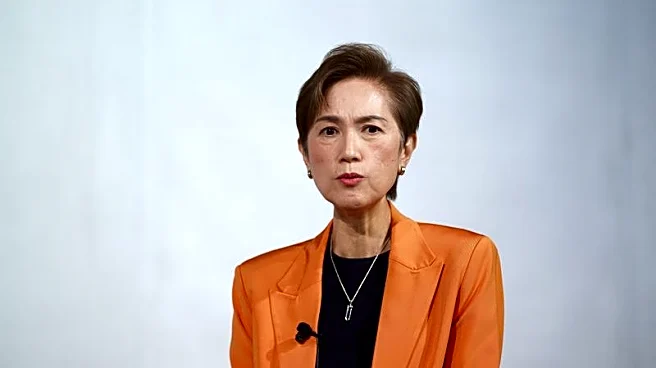
Demis Hassabis, CEO of Google DeepMind, has expressed skepticism about the inevitability of job cuts due to artificial intelligence (AI) advancements. In a recent interview, Hassabis criticized the idea of replacing engineers with AI, describing it as a 'lack
of imagination' and misunderstanding of AI's potential. He argues that instead of reducing the workforce, companies should leverage AI to enhance productivity, allowing engineers to accomplish more. Hassabis envisions a future where AI augments human capabilities, enabling more innovation across various fields, from drug discovery to game design. His comments come amidst ongoing debates about AI's impact on employment, with many fearing that increased automation could lead to significant job losses.
Why It's Important?
Hassabis's perspective is significant as it challenges the prevalent narrative that AI will inevitably lead to widespread job displacement. By advocating for a model where AI enhances rather than replaces human labor, he highlights the potential for AI to drive innovation and economic growth without sacrificing jobs. This approach could influence how companies and policymakers view AI integration, potentially leading to strategies that focus on upskilling workers and creating new opportunities. The debate over AI's role in the workforce is crucial as it affects economic policies, labor markets, and societal attitudes towards technology. Hassabis's stance may encourage a more balanced view of AI's capabilities and limitations, promoting a future where technology and human creativity coexist.
What's Next?
As AI technology continues to evolve, companies and governments will need to address the challenges and opportunities it presents. This includes developing policies that support workforce adaptation and ensuring that AI advancements benefit society as a whole. Hassabis's comments may prompt further discussions among industry leaders and policymakers about the best ways to integrate AI into the economy. Future developments in AI could lead to new industries and job roles, requiring a focus on education and training to prepare the workforce for these changes. The ongoing dialogue about AI's impact on employment will likely shape the future of work and influence how societies adapt to technological advancements.
Beyond the Headlines
The ethical implications of AI in the workplace extend beyond job displacement. There are concerns about data privacy, algorithmic bias, and the concentration of power among tech companies. Hassabis's vision of AI as a tool for enhancing human productivity raises questions about how to ensure equitable access to AI technologies and their benefits. Additionally, the cultural impact of AI on creativity and innovation is an area of interest, as AI-generated content becomes more prevalent. These broader considerations highlight the need for a comprehensive approach to AI governance that addresses both the opportunities and challenges posed by this transformative technology.