

What's Happening?
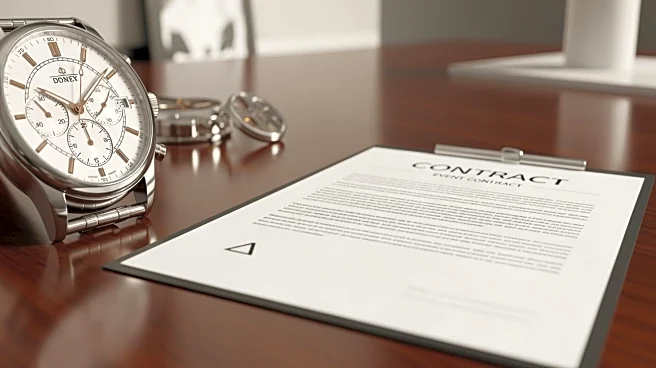
Kalshi Inc., in collaboration with watch marketplace Bezel, has launched event contracts that allow luxury watch enthusiasts to bet on the future prices of high-end watches like Rolex and Patek Philippe. These contracts enable users to speculate on whether
a watch will exceed a certain price or if a brand will release a new model. This initiative is part of a broader trend of prediction products for collectibles, including sneakers and trading cards. Bezel has developed a mathematical tool to price watches based on real-time sales data, which will be integrated into Kalshi's platform. This move aims to make the luxury watch market more accessible by lowering the entry barrier for enthusiasts.
Why It's Important?
The introduction of event contracts for luxury watches represents a significant shift in how collectibles are traded and valued. By allowing enthusiasts to participate in the market without needing to purchase the actual items, Kalshi and Bezel are democratizing access to the luxury watch market. This could lead to increased market participation and liquidity, potentially driving up prices and interest in luxury watches. However, the initiative also raises regulatory concerns, as similar platforms have faced scrutiny over whether such contracts constitute gambling. The involvement of large financial institutions and the integration of real-time pricing data highlight the growing intersection of finance and collectibles.
What's Next?
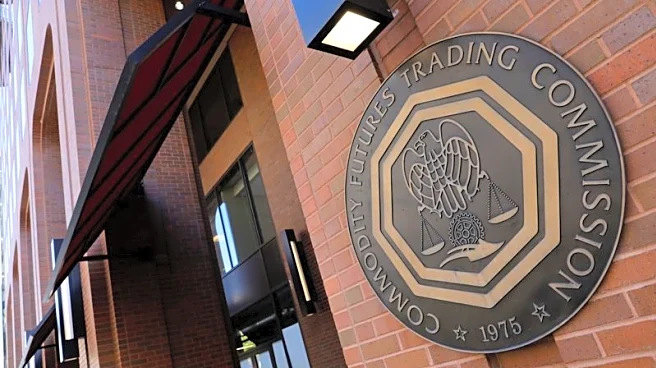
As Kalshi and Bezel roll out these event contracts, they may face regulatory challenges, particularly concerning the classification of these contracts as gambling or derivatives. The companies will need to navigate these legal landscapes to ensure compliance and avoid potential legal issues. Additionally, the success of this initiative could prompt other sectors within the luxury market to explore similar financial products, potentially expanding the concept to other high-value collectibles. Stakeholders, including financial institutions and collectors, will likely monitor the market's response to these contracts closely.