






What's Happening?
As summer temperatures rise, many homeowners are turning to air conditioners to maintain comfort. However, experts warn that selecting the wrong unit or neglecting routine maintenance can lead to increased energy bills and less effective cooling. Consumer
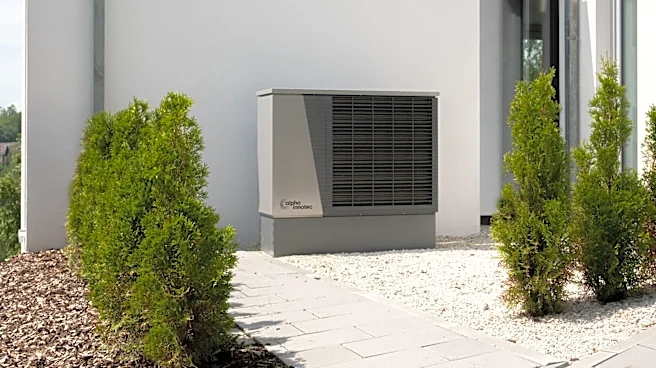
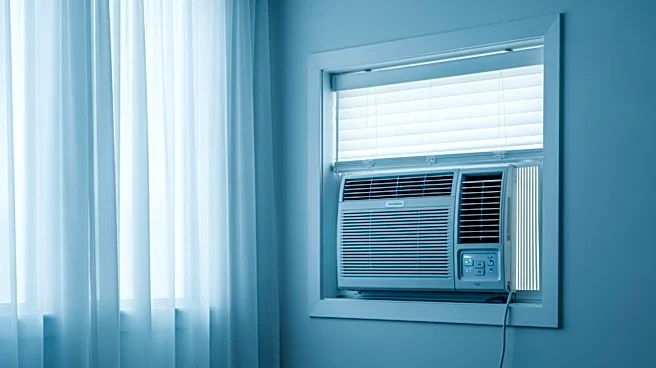
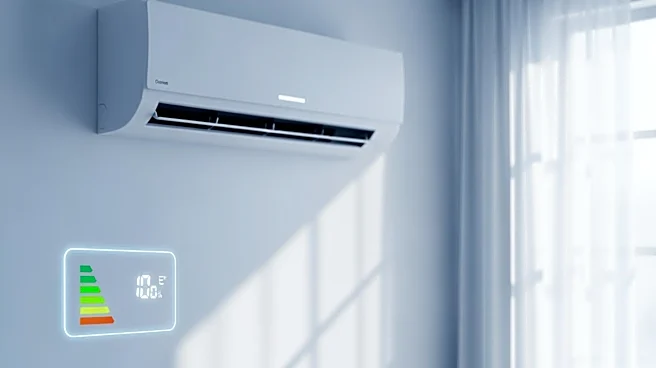
Reports highlights the importance of choosing the correct size air conditioner for the space it will cool. An undersized unit may struggle to maintain a comfortable temperature, while an oversized one can waste energy and leave excess humidity. Ductless mini-split systems are gaining popularity as they efficiently cool larger spaces without requiring ductwork and can also provide heating. Newer central air systems and heat pumps offer improved energy efficiency compared to older models. Regular maintenance, such as cleaning or replacing filters and vacuuming coils, is recommended to enhance system performance. Additionally, keeping window air conditioners out of direct sunlight or using curtains and shades can improve efficiency.
Why It's Important?
The guidance from Consumer Reports is significant as it addresses the dual challenges of maintaining comfort during hot weather and managing energy costs. With energy prices fluctuating, efficient cooling solutions can lead to substantial savings for homeowners. The emphasis on proper sizing and maintenance of air conditioning units can prevent unnecessary energy consumption, which is crucial for both economic and environmental reasons. Homeowners who adopt these practices can reduce their carbon footprint and contribute to broader energy conservation efforts. The popularity of ductless mini-split systems and newer energy-efficient models reflects a shift towards more sustainable home cooling solutions.
What's Next?
Homeowners are likely to continue exploring energy-efficient cooling options as awareness of the benefits grows. The market for ductless mini-split systems and advanced central air systems is expected to expand, driven by consumer demand for cost-effective and environmentally friendly solutions. Manufacturers may respond by introducing more innovative products that offer enhanced efficiency and ease of maintenance. Additionally, as energy efficiency becomes a priority, there may be increased interest in government incentives or rebates for upgrading to more efficient systems. This trend could also influence building codes and standards, promoting the adoption of energy-efficient technologies in new constructions.