






What's Happening?
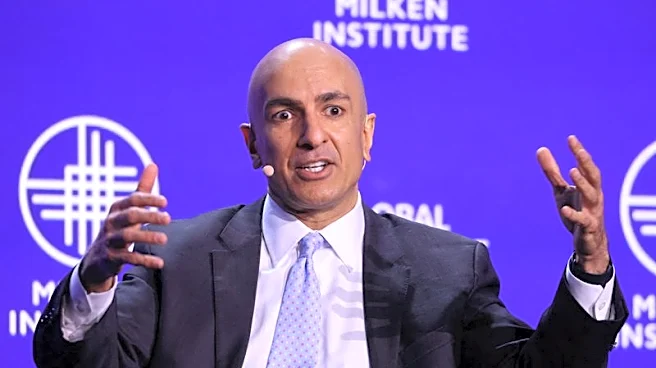
New York Federal Reserve President John Williams stated that the U.S. central bank's monetary policy is well-positioned to handle the economic uncertainty arising from the ongoing conflict in the Middle East. Williams highlighted the challenges posed
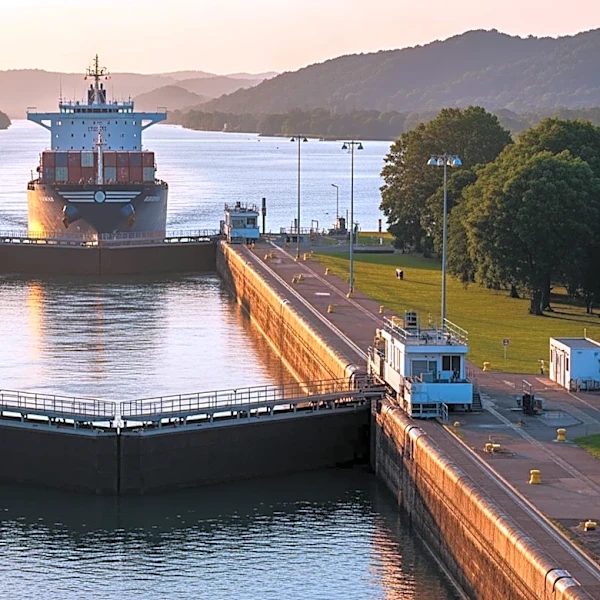
by the closure of the Strait of Hormuz, which has led to a sharp increase in energy prices. This situation has heightened inflation pressures and could potentially depress demand, affecting the job market. Williams emphasized the Fed's current wait-and-see approach, refraining from providing specific guidance on future policy rate changes, which remain in the 3.50%-3.75% range.
Why It's Important?
The Fed's stance is crucial as it navigates the dual challenges of rising inflation and potential economic slowdown due to increased energy costs. The central bank's ability to maintain stability in such uncertain times is vital for economic stakeholders, including businesses and consumers, who are directly impacted by inflation and employment trends. The Fed's decisions will influence borrowing costs, consumer spending, and overall economic growth, making its policy direction a key focus for financial markets and policymakers.
What's Next?
The Fed will continue to monitor the situation closely, with potential adjustments to its monetary policy depending on the evolving economic landscape. Stakeholders, including businesses and government entities, will be watching for any signals from the Fed regarding interest rate changes or other policy measures that could affect economic stability. The ongoing conflict and its impact on global energy markets will remain a significant factor in the Fed's decision-making process.