





What's Happening?
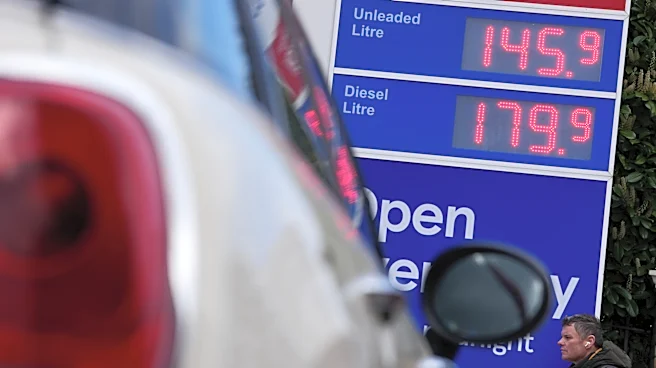
The Personal Consumption Expenditures (PCE) price index, a key measure of inflation tracked by the Federal Reserve, rose by 0.7% in March 2026, driven by a sharp increase in gas prices. The annual inflation rate reached 3.5%, the highest since May 2023.
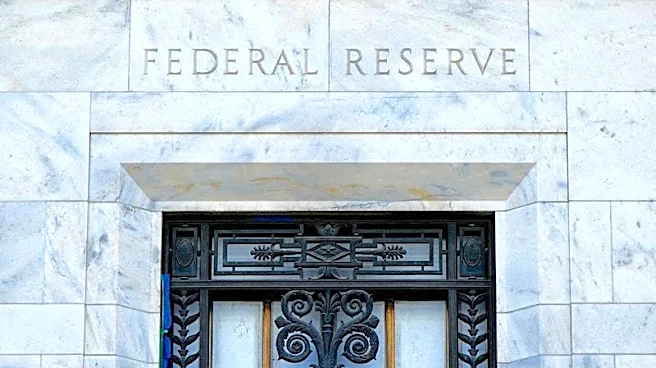
The rise in gas prices is attributed to the ongoing conflict in the Middle East, which has disrupted oil trade. Excluding food and energy, core PCE inflation increased by 0.3% from February and 3.2% year-over-year. The Federal Reserve has maintained its interest rates, citing the need to assess the impact of the conflict on inflation and economic activity.
Why It's Important?
The surge in inflation poses challenges for the U.S. economy, particularly as it affects consumer sentiment and spending. Rising gas prices have increased the cost of living, impacting household budgets and potentially slowing economic growth. The Federal Reserve's decision to keep interest rates steady reflects its cautious approach in balancing inflation control with economic stability. The ongoing conflict in the Middle East adds uncertainty to the economic outlook, as prolonged disruptions in oil supply could lead to sustained high energy prices and further inflationary pressures.
What's Next?
The Federal Reserve will continue to monitor inflation trends and the impact of the Middle East conflict on the economy. Future monetary policy decisions will depend on the trajectory of inflation and its effects on economic growth. If inflation continues to rise, the Fed may consider adjusting interest rates to prevent overheating the economy. Additionally, the resolution of the conflict and stabilization of oil supplies will be crucial in determining the future path of inflation and economic recovery.