






What's Happening?
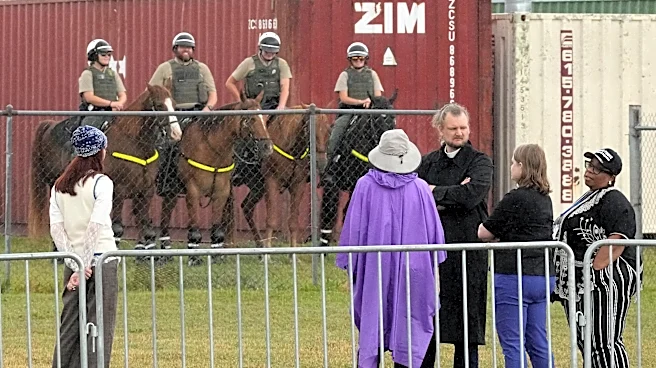
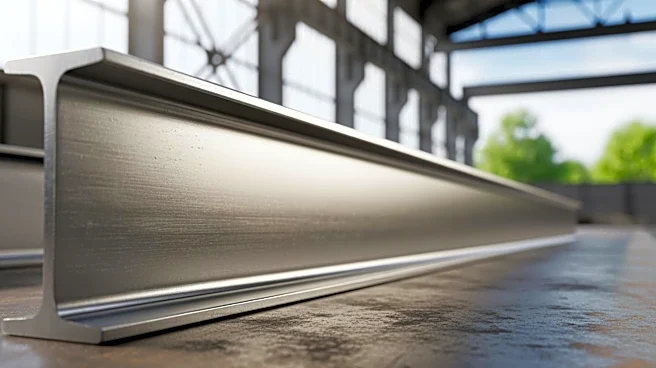
A coalition of labor, civil rights, and environmental health leaders has presented Hyundai with a list of demands regarding its proposed $5.8 billion steel mill in Donaldsonville, Louisiana. The coalition, known as Good Neighbors Louisiana, includes representatives
from the United Steelworkers, NAACP, Sierra Club, and Sunrise Community Group. They are urging Hyundai to adopt clean technologies to mitigate environmental and health impacts, particularly in one of the most polluted communities in the U.S. The project, which is receiving $2.4 billion in public subsidies, has raised concerns about potential increases in asthma, cancer, and chronic diseases due to toxic dust and emissions. The Sierra Club has highlighted that using electricity instead of methane gas could significantly reduce emissions and save costs.
Why It's Important?
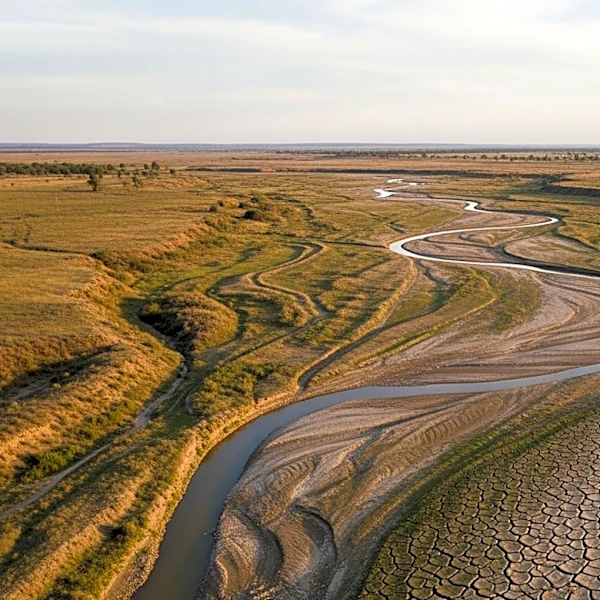
The development of Hyundai's steel mill in Louisiana is significant due to its potential environmental and health impacts on local communities. The project is situated in a predominantly Black area with a history of pollution, raising concerns about environmental justice. The coalition's demands for clean technology highlight the broader issue of corporate responsibility in mitigating environmental harm. The project's reliance on public subsidies also underscores the need for accountability in how taxpayer money is used, especially in projects that could adversely affect public health. The outcome of this situation could set a precedent for future industrial developments in environmentally sensitive areas.
What's Next?
The coalition is calling for Hyundai to negotiate a Community Benefits Agreement to ensure safe and sustainable jobs for local residents. The Sierra Club has requested that the Louisiana Department of Environmental Quality allow for public comments and hearings before issuing a final permit. Hyundai's response to these demands and the regulatory process will be crucial in determining the project's future. The company may face increased pressure to engage with the community and adopt cleaner technologies to avoid potential legal and public relations challenges.
Beyond the Headlines
This situation highlights the ongoing tension between economic development and environmental protection. The demands for clean technology at Hyundai's steel mill reflect a growing trend of communities advocating for sustainable industrial practices. The case also raises questions about the role of public subsidies in supporting projects that may not align with environmental and public health goals. As industries face increasing scrutiny over their environmental impact, the pressure to adopt greener technologies is likely to intensify, potentially influencing corporate strategies and regulatory frameworks.