
What's Happening?
The year 2026 is set to feature several celestial events that are attracting travelers worldwide. Notable events include an annular solar eclipse on February 17, where the Moon will obscure up to 92% of
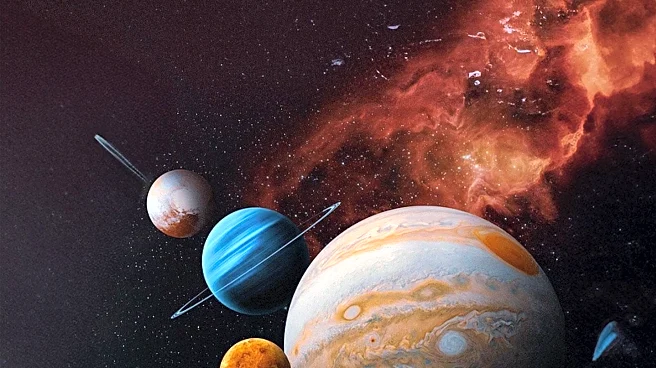
the Sun, creating a 'ring of fire' visible from Antarctica and parts of southeastern Africa. Additionally, a planetary parade on February 28 will see six planets align in the evening sky, visible from various global locations. These events offer unique opportunities for travelers to witness rare astronomical phenomena and explore destinations known for their dark skies and natural beauty.
Why It's Important?
Celestial events like solar eclipses and planetary alignments provide unique travel experiences that combine natural wonder with cultural exploration. These events can boost tourism in regions where they are visible, offering economic benefits to local communities. They also promote interest in astronomy and science, encouraging educational travel and public engagement with the natural world. As travelers seek meaningful and memorable experiences, celestial events offer a compelling reason to explore new destinations and connect with the global community of stargazers.
What's Next?
Travel agencies and tour operators may develop specialized packages and itineraries to cater to travelers interested in celestial events. This could include guided tours, educational workshops, and exclusive viewing experiences. As interest in astronomical tourism grows, destinations known for their dark skies may see increased investment in infrastructure and amenities to accommodate visitors. Additionally, collaborations between tourism boards and scientific organizations could enhance the educational value of these events, providing travelers with a deeper understanding of the cosmos.