
What's Happening?
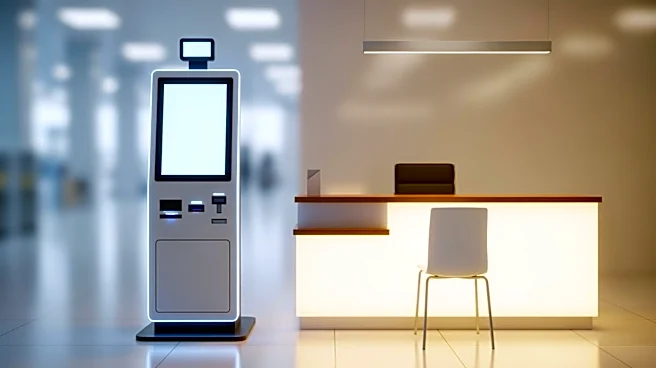
A recent analysis highlights that some shoppers prefer traditional cashier lines over self-checkout kiosks, not due to a rejection of technology, but for the brief human interactions they offer. These
small exchanges, such as a simple greeting or a shared smile, provide emotional benefits that machines cannot replicate. A 2024 retail study found that regular checkout can enhance customer loyalty more than self-checkout, indicating the value of human interaction in shopping experiences. Behavioral scientists Nicholas Epley and Juliana Schroeder's research supports this, showing that people often have more positive experiences when they engage with strangers in public settings. The concept of 'weak ties,' introduced by sociologist Mark Granovetter, explains how casual connections, like those with cashiers, contribute to a sense of belonging and happiness.
Why It's Important?
The preference for human interaction in shopping environments underscores the importance of social connections in daily life. As technology increasingly permeates everyday activities, maintaining opportunities for human contact becomes crucial for emotional well-being. The U.S. Department of Health and Human Services has linked social isolation and loneliness to higher health risks, emphasizing the need for social interactions. Retailers might consider balancing technological advancements with human elements to cater to diverse customer preferences. This approach could enhance customer satisfaction and loyalty, benefiting businesses in the long run.
What's Next?
Retailers may need to evaluate their checkout options to ensure they meet the varied needs of their customers. Offering both self-checkout and traditional cashier lines could accommodate those seeking speed and privacy, as well as those desiring human interaction. Future studies might explore how these preferences impact consumer behavior and store loyalty. Additionally, businesses could consider training staff to enhance customer interactions, potentially increasing the emotional value of shopping experiences.
Beyond the Headlines
The trend of avoiding self-checkout for human interaction highlights broader societal issues related to technology and socialization. As digital interfaces become more prevalent, the need for human connection remains significant. This phenomenon may prompt discussions about the role of technology in public spaces and its impact on social dynamics. Understanding these interactions could inform policies and practices that foster community and well-being in increasingly digital environments.