






What's Happening?
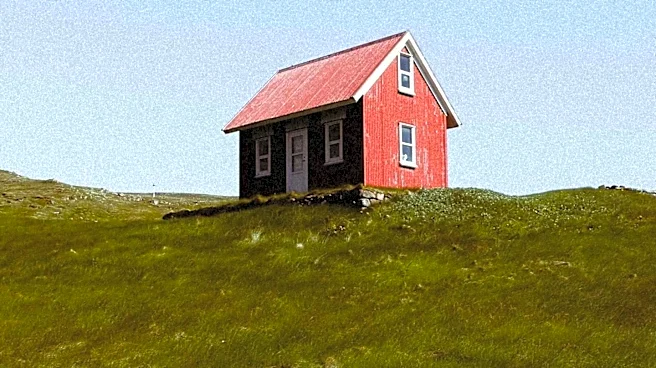
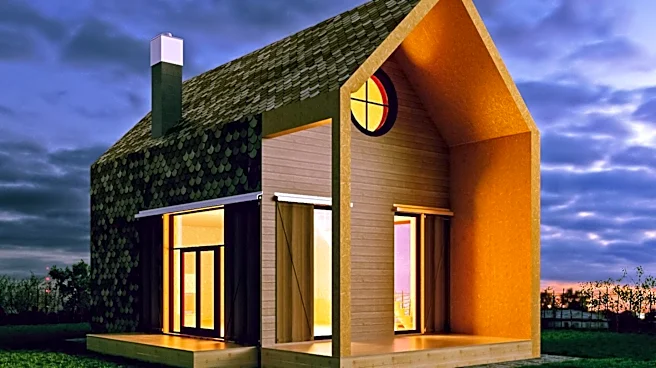
A recent exploration of tiny home villages, such as Minitopia in the Netherlands, highlights a growing trend towards alternative housing solutions. These villages offer plots of land for individuals to build their own tiny homes, providing a more affordable
option compared to traditional housing. The Minitopia Foundation, which started a decade ago, has expanded to five sites with over 150 plots, and a waiting list of around 2,000 people. This model allows residents to live affordably in urban areas, addressing the housing affordability crisis exacerbated by high demand and low supply. Residents like Jos van der Muelen and his family benefit from significantly lower housing costs, allowing them to save more and work less.
Why It's Important?
The tiny home movement presents a viable solution to the housing affordability crisis affecting many urban areas in the U.S. and Europe. By reducing housing costs, individuals can achieve greater financial security and flexibility, potentially reducing the economic pressure on younger generations who struggle with high housing costs. This model also encourages sustainable living and community building, as residents often construct their own homes and engage with their neighbors. The success of such initiatives could inspire similar developments in the U.S., offering a new path to homeownership for those priced out of the traditional market.
What's Next?
As the demand for affordable housing continues to rise, the tiny home model may gain traction in more urban areas. Policymakers and urban planners might consider integrating such solutions into housing strategies to alleviate the crisis. The potential for expansion in the U.S. could lead to regulatory changes to accommodate these communities, addressing zoning laws and financing options. The success of Minitopia could serve as a blueprint for future developments, encouraging innovation in housing solutions.
Beyond the Headlines
The tiny home movement also raises questions about the long-term sustainability and scalability of such communities. While they offer immediate relief from high housing costs, the temporary nature of land leases and the upfront costs of construction may limit accessibility for some. Additionally, the cultural shift towards minimalism and sustainable living could influence broader societal changes, promoting a reevaluation of consumer habits and lifestyle choices.