







What's Happening?
U.S. retail spending experienced a modest increase as the country entered spring, with a 3.3 percent year-over-year rise in March. This growth was observed across discretionary general merchandise, retail food and beverage, and nonedible consumer packaged
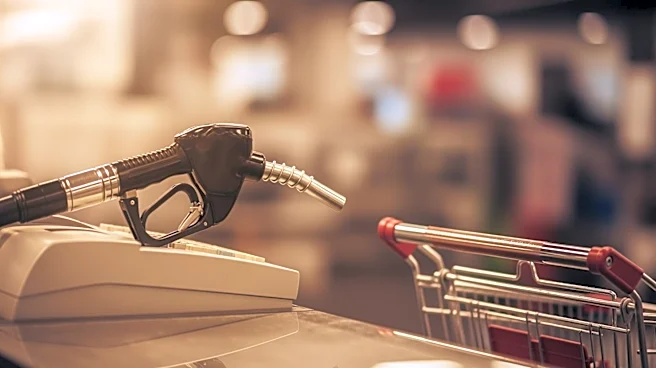
goods. However, the report from Circana LLC highlights that this apparent growth masks underlying economic challenges. Rising gas prices and elevated living costs are putting financial pressure on lower- and middle-income households, while higher-income household spending growth has slowed since late 2025. The report also notes that calendar shifts, such as the Easter shopping period moving into the first quarter, have influenced these figures.
Why It's Important?
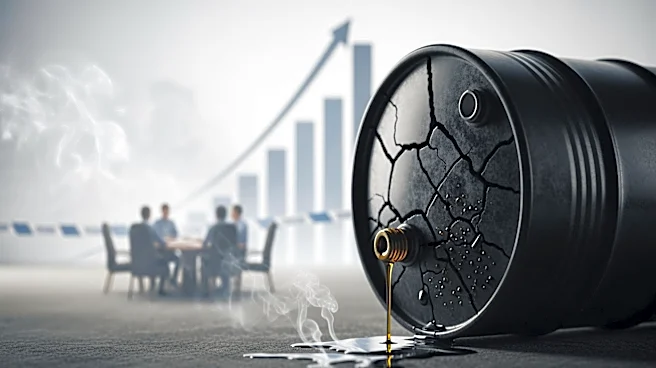
The increase in retail spending, despite economic pressures, indicates a complex consumer landscape. While top-line numbers suggest health, the underlying vulnerabilities could pose challenges for retailers. The shift from a K-shaped economy to a 'dipping E' suggests that income-based spending changes could lead to a more challenging retail environment. Retailers must discern between sustainable demand and temporary distortions to adapt effectively. The evolving consumer behavior, driven by economic pressures, requires brands to innovate and embrace new purchasing models to maintain engagement.
What's Next?
Retailers and manufacturers need to identify sustainable growth opportunities amidst temporary market distortions. As consumer spending patterns shift, businesses must adapt quickly to changing demands. The focus will likely be on leveraging social and agentic commerce to rekindle impulse purchasing and create new engagement pathways. Understanding the difference between short-term reactions and long-term behavioral shifts will be crucial for future strategies.