







What's Happening?
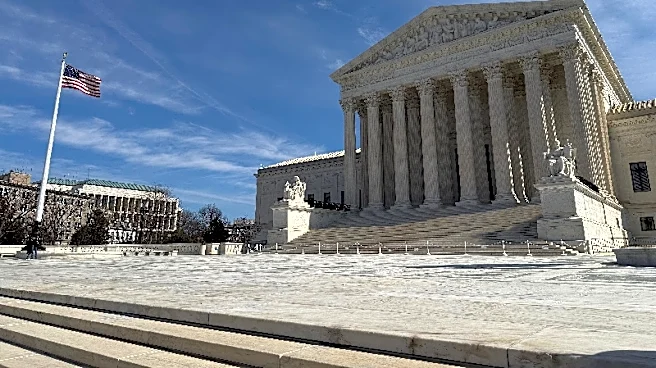
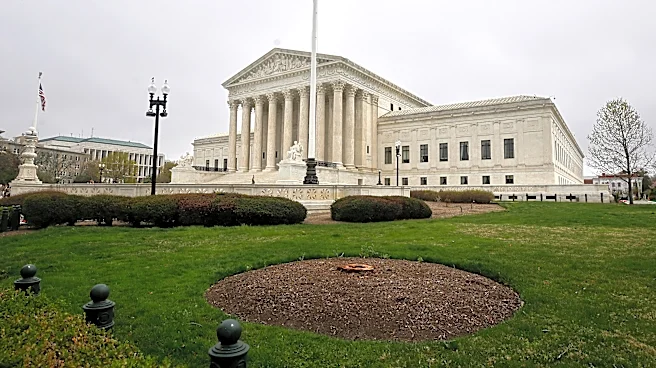
The U.S. Supreme Court has denied Michael Hild's appeal to overturn his 2021 fraud conviction related to a bond pricing scheme that led to the collapse of his company, Live Well Financial. Hild, who was the founder and CEO of the company, was convicted
of bank fraud, securities fraud, and wire fraud, and sentenced to 44 months in federal prison. The Supreme Court's decision marks the end of Hild's legal avenues to avoid imprisonment, as his appeal argued that his trial attorney was constitutionally ineffective. With the denial, the case returns to U.S. District Judge Ronnie Abrams, who will likely set a date for Hild to begin his prison sentence.
Why It's Important?
The Supreme Court's decision is a critical development in the legal proceedings against Michael Hild, reinforcing the accountability of corporate executives involved in financial fraud. The case highlights the severe consequences of fraudulent activities in the financial sector, which can lead to significant economic losses and legal repercussions. Hild's conviction and the subsequent denial of his appeal serve as a deterrent to other business leaders who might consider engaging in similar fraudulent schemes. The ruling also emphasizes the importance of effective legal representation and the challenges of overturning convictions based on claims of ineffective counsel.
What's Next?
Following the Supreme Court's denial, the next steps involve U.S. District Judge Ronnie Abrams issuing an order for Hild to begin his prison sentence. Hild has the option to file a habeas corpus petition within a year to challenge his conviction and imprisonment, although such petitions are typically filed while serving a sentence. The outcome of this case may also impact ongoing civil litigation against Hild and his wife, as Live Well Financial's bankruptcy trustee seeks to recover $110 million. The resolution of these legal matters will further determine the financial and legal consequences for Hild and his associates.