




What's Happening?
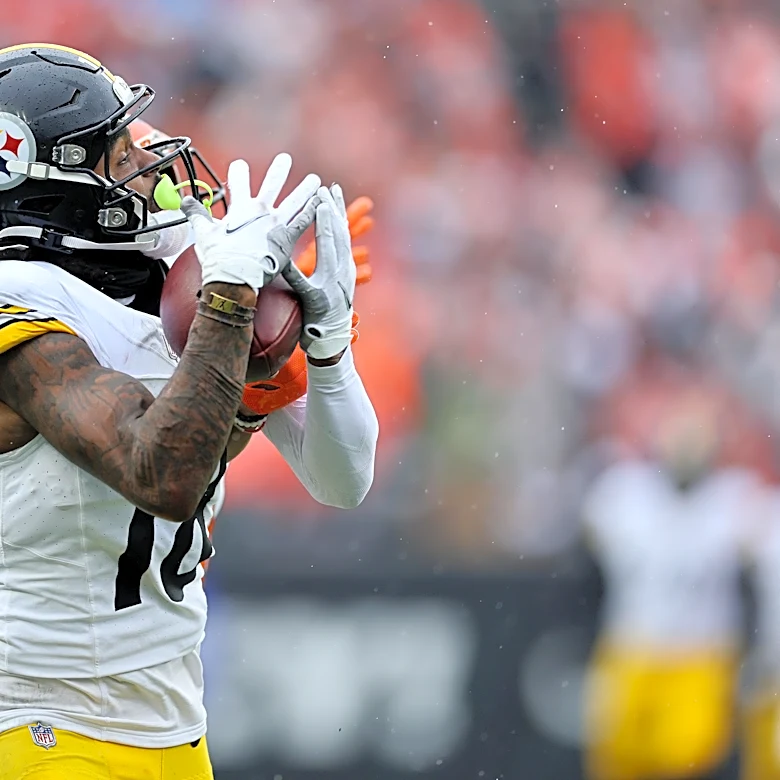
During the New York Giants' organized team activities (OTAs), wide receiver Gunner Olszewski sustained a non-contact injury. The incident occurred during a drill, prompting a pause in the workout as Olszewski received on-field attention before being carted
off for further evaluation. The Giants have not yet released any information regarding the severity of his condition. Olszewski, who has been with the Giants for the past three seasons, recently re-signed with the team. Last season, he recorded 10 catches for 145 yards and a touchdown, serving as the team's primary punt returner when healthy. The team will need to consider alternative options for the punt return role if Olszewski's injury proves to be significant, but such decisions will await a complete diagnosis.
Why It's Important?
Olszewski's injury could have significant implications for the Giants' special teams and receiving corps. As the lead punt returner, his absence would necessitate adjustments in the team's special teams strategy. Additionally, his role as a receiver, though not primary, adds depth to the Giants' offensive options. The injury highlights the risks associated with non-contact injuries, which can be unpredictable and potentially severe. The Giants, already dealing with the loss of defensive tackle Roy Robertson-Harris to an Achilles tear, face further challenges in maintaining team cohesion and performance during the offseason. The outcome of Olszewski's evaluation will be crucial in determining the team's next steps and potential roster adjustments.
What's Next?
The Giants are expected to provide an update on Olszewski's condition following a full medical evaluation. Depending on the severity of the injury, the team may need to explore options for replacing him as the punt returner and possibly adjusting their receiving lineup. The coaching staff will likely assess other players during OTAs and upcoming training sessions to fill any gaps left by Olszewski's potential absence. The situation underscores the importance of depth in the roster and the need for contingency planning in the face of injuries.