








What's Happening?
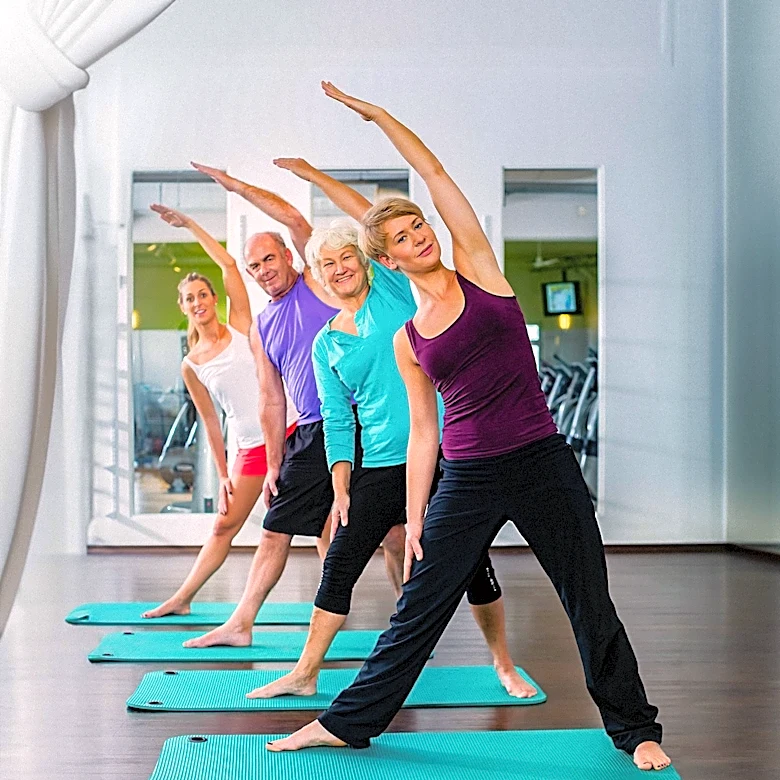
Flood Yoga, led by founder Kate Holter, is offering a series of Slow Flow yoga classes in Seattle, designed to provide a mindful and accessible practice for participants of all experience levels. These classes are held on Sunday mornings at the National
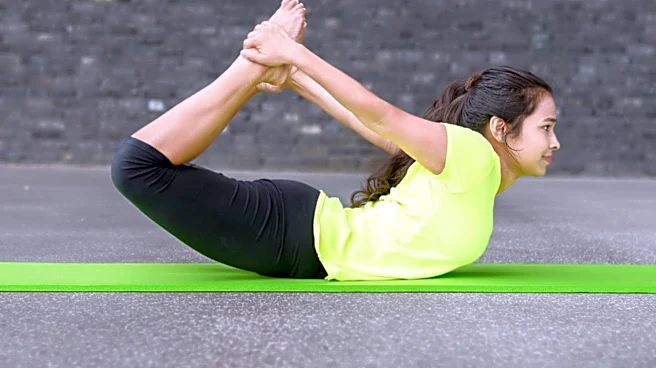
Nordic Museum, utilizing both the Osberg Great Hall and the Fisherman's Sun Terrace for an indoor/outdoor experience. The Slow Flow class is a gently-paced vinyasa practice that emphasizes moving with intention rather than speed, blending softness with strength. Participants are encouraged to bring their own yoga mats, water bottles, and any personal props for extra support. The sessions conclude with a generous savasana, leaving attendees feeling grounded and renewed.
Why It's Important?
The Slow Flow yoga classes offered by Flood Yoga highlight a growing trend towards mindfulness and intentional movement in fitness practices. This approach caters to individuals seeking a more balanced and reflective form of exercise, which can be particularly beneficial in today's fast-paced world. By providing a space for people to connect with their bodies and minds, these classes contribute to overall well-being and stress reduction. The inclusive nature of the classes, welcoming participants of all levels, promotes community engagement and accessibility in wellness activities. This initiative reflects a broader societal shift towards valuing mental health and mindfulness as integral components of a healthy lifestyle.
What's Next?
As the popularity of mindful practices like Slow Flow yoga continues to rise, it is likely that more fitness and wellness centers will incorporate similar offerings into their programs. This could lead to an increased demand for instructors trained in mindfulness-based practices, as well as a greater emphasis on creating inclusive and accessible wellness environments. Additionally, the success of these classes may inspire other community organizations to host similar events, further promoting the benefits of mindfulness and intentional movement. Participants may also seek to integrate these practices into their daily routines, fostering long-term lifestyle changes that prioritize mental and physical health.