
What's Happening?
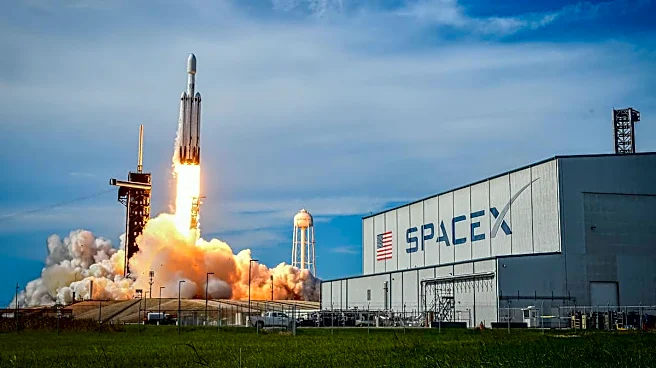
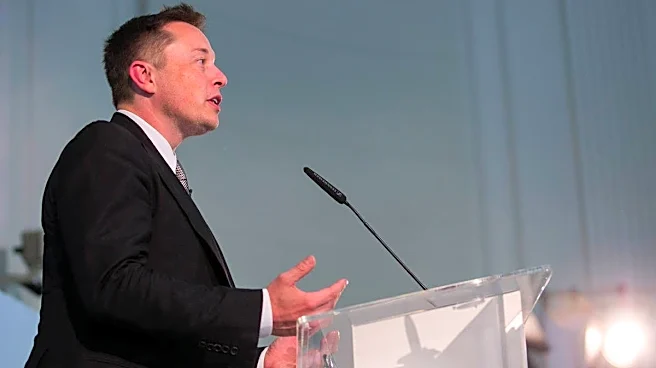
Elon Musk's company, SpaceX, is preparing for a highly anticipated public offering that could make Musk the world's first trillionaire. The IPO is set at $135 per share, valuing SpaceX at $1.77 trillion,
which would make it one of the largest public offerings in history. This valuation surpasses the previous record held by Saudi Aramco. The IPO is being managed by 23 banks and brokerage firms, with significant interest from investors worldwide. Musk's current wealth, largely tied to shares in SpaceX and Tesla, is estimated at $970 billion. The IPO is expected to increase his stake in SpaceX to $841 billion, potentially elevating his total net worth to over $1.1 trillion.
Why It's Important?
The SpaceX IPO is significant not only for its financial implications but also for the broader questions it raises about private power and wealth concentration. Musk's potential trillionaire status would give him economic influence comparable to that of a small country, without the checks and balances typically associated with such power. This development could impact various sectors, including technology, space exploration, and artificial intelligence, where Musk's companies are heavily involved. The IPO's success is also crucial for the financial markets, as it could set the tone for other major public offerings, such as those of OpenAI and Anthropic, expected in the near future.
What's Next?
Following the IPO, SpaceX is expected to be included in major market indexes, compelling large equity funds to purchase its shares. This could further drive up the stock price and Musk's wealth. However, there are concerns about the sustainability of such rapid growth, particularly given the high costs and risks associated with SpaceX's ventures in artificial intelligence and space exploration. Investors and analysts will be closely watching the company's performance post-IPO, as well as any strategic moves Musk makes with his newfound financial power.
Beyond the Headlines
The rise of Musk to potential trillionaire status highlights the growing influence of private individuals in global affairs. Musk's control over critical technologies, such as satellite internet and social media platforms, poses questions about the role of private entities in public policy and international relations. The lack of public oversight over such concentrated wealth and power could lead to ethical and regulatory challenges, as governments and societies grapple with the implications of this new economic landscape.