




What's Happening?
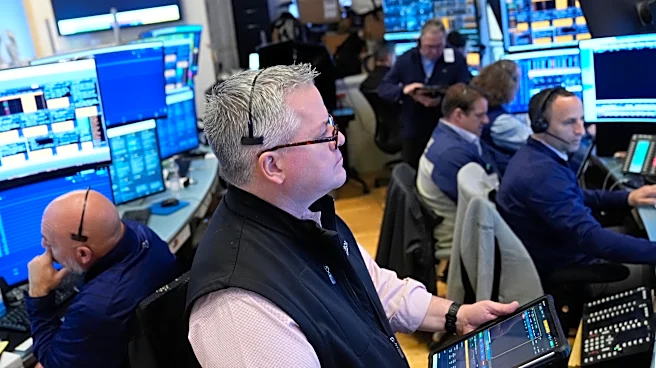
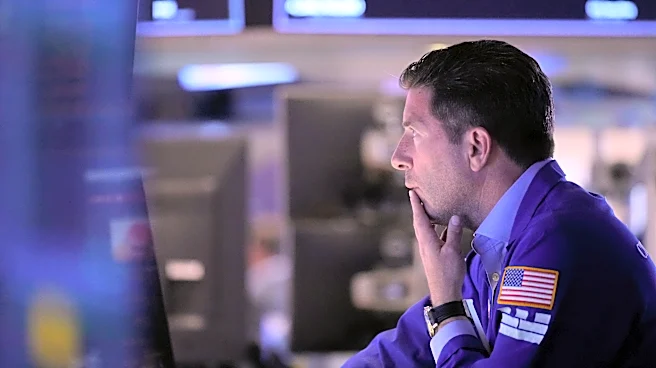
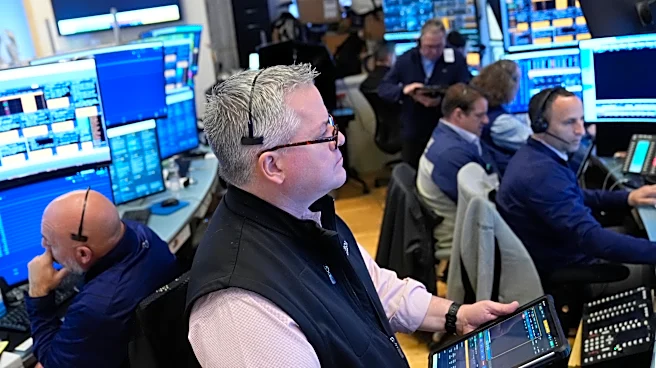
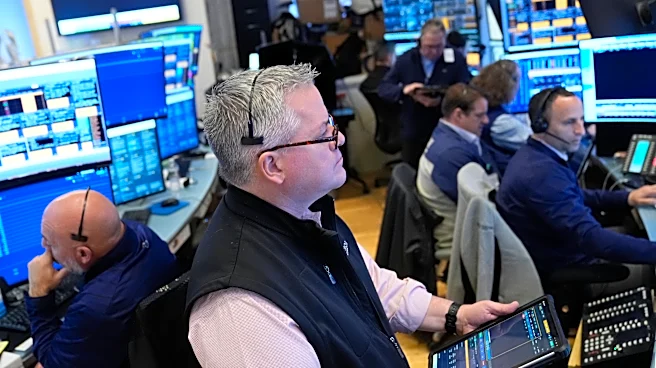
Despite a record low in American economic optimism, Wall Street's major banks have reported their most profitable trading quarter since at least 2014. The S&P 500 has reached a new high, with Goldman Sachs and Morgan Stanley setting revenue records. This
financial success is occurring amidst significant geopolitical tensions, particularly the ongoing conflict in Iran, which has caused substantial market volatility. President Trump's unpredictable policy announcements have contributed to this volatility, leading to accusations of market manipulation. However, Claudia Sahm, chief economist at New Century Advisors, suggests that the market's response is more about shifting risks than manipulation. The volatility has been beneficial for trading desks, which profit from client trades regardless of market direction.
Why It's Important?
The divergence between Wall Street's success and Main Street's struggles highlights the ongoing economic disparity in the U.S. While the wealthiest households benefit from rising stock prices, lower-income families face financial strain due to rising gas prices and other economic pressures. This situation underscores the 'K-shaped' recovery, where different segments of the economy recover at different rates. The current market conditions also raise questions about the sustainability of consumer spending, which has been a key driver of economic growth. If consumer spending slows, it could impact future market performance and economic stability.
What's Next?
The ongoing investigation by the Commodity Futures Trading Commission into potential insider trading related to oil futures could have significant implications for market regulation and investor confidence. Additionally, the potential for further geopolitical tensions and policy shifts could continue to drive market volatility. Investors and policymakers will need to monitor these developments closely to assess their impact on the economy and financial markets.
Beyond the Headlines
The current market dynamics raise ethical questions about the influence of political actions on financial markets and the potential for insider trading. The situation also highlights the need for robust regulatory frameworks to ensure market integrity and protect investors. Long-term, the economic disparity between Wall Street and Main Street could lead to increased calls for policy interventions to address income inequality and support economic resilience for all Americans.