





What's Happening?
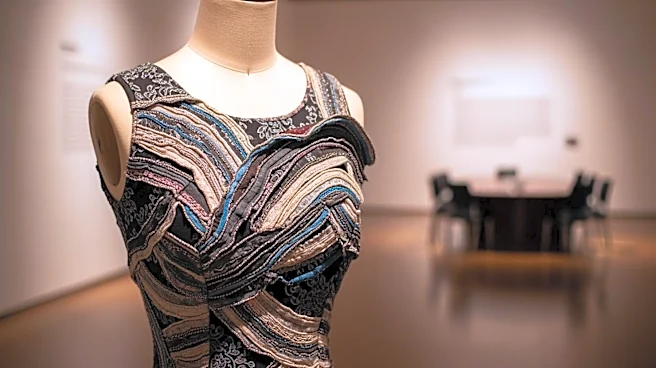
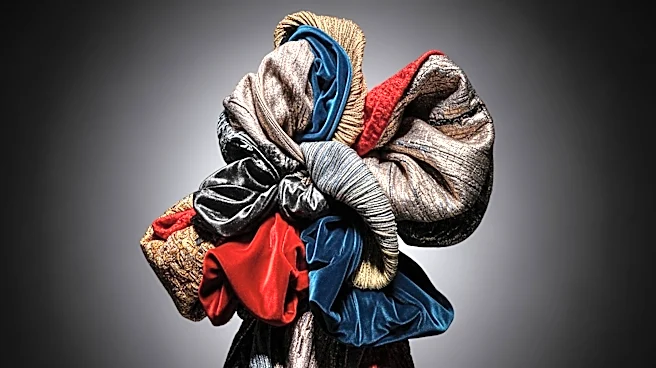
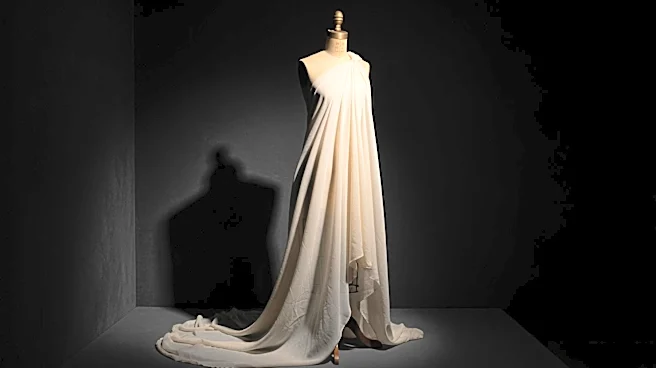
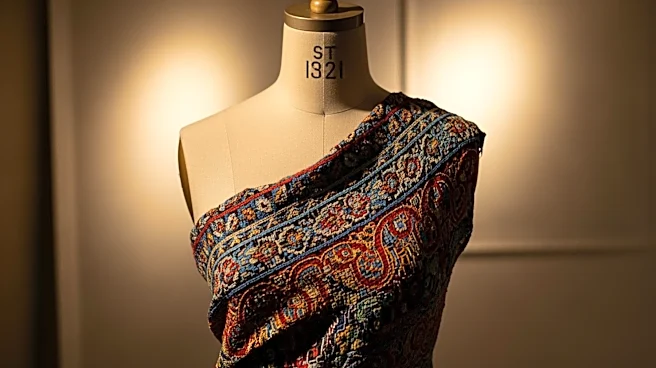
The Metropolitan Museum of Art's Costume Institute has unveiled its new exhibition, 'Costume Art,' in a newly expanded space. This exhibition pairs 200 garments with 200 artworks from the Met's collection, exploring the relationship between fashion and art.
The new 12,000 sq ft Condé M Nast Galleries provide a prominent location for the exhibition, elevating fashion to the same status as other celebrated art forms. The exhibition's opening coincides with the Met Gala, which has faced protests due to sponsorship from Jeff Bezos and Lauren Sánchez. Despite the controversy, the exhibition aims to challenge traditional hierarchies and celebrate the diversity of the human body through fashion.
Why It's Important?
The expansion of the Costume Institute and the 'Costume Art' exhibition represent a significant shift in how fashion is perceived within the art world. By placing fashion alongside traditional art forms, the Met is acknowledging its cultural and artistic value. This move could influence other museums to reconsider the role of fashion in their collections. The exhibition's focus on diverse body types and the human form challenges conventional beauty standards, promoting inclusivity and representation. The controversy surrounding the gala's sponsorship highlights the ongoing debate about the influence of corporate money in cultural institutions, raising questions about the balance between funding and artistic integrity.
Beyond the Headlines
The exhibition's emphasis on diverse body types and the human form reflects broader societal shifts towards inclusivity and representation. By showcasing fashion as an art form, the Met is challenging traditional hierarchies and encouraging a reevaluation of cultural standards. This approach aligns with contemporary movements advocating for diversity and equality in the arts. The exhibition's success could inspire other institutions to adopt similar practices, promoting a more inclusive and representative cultural landscape. The dialogue surrounding the gala's sponsorship also underscores the need for transparency and ethical considerations in cultural funding.