






What's Happening?
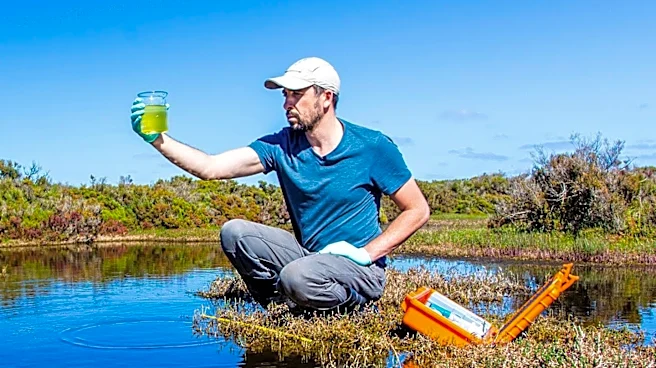
Maine offers a variety of citizen science programs that encourage public participation in environmental research. These programs include the Maine Audubon Annual Loon Count, where volunteers help count loons across the state, and the CoCoRaHS Maine network,
which involves locals in monitoring precipitation patterns. Other initiatives include the Dragonfly Mercury Project, which collects dragonfly larvae for mercury analysis, and the Project ASCO Rockweed Survey, which studies seaweed along the coast. The Maine Amphibian and Reptile Atlas and NASA's Citizen Science Programs also invite public involvement in data collection and research. These programs provide educational opportunities for families and individuals to engage with nature and contribute to scientific understanding.
Why It's Important?
Citizen science programs in Maine play a crucial role in gathering data that supports environmental research and conservation efforts. By involving the public, these programs not only enhance scientific data collection but also raise awareness about environmental issues. Participants gain hands-on experience and knowledge about local ecosystems, fostering a sense of stewardship and responsibility towards the environment. These initiatives can lead to more informed public policies and conservation strategies, benefiting both local wildlife and communities. Additionally, they provide educational opportunities that can inspire future generations to pursue careers in science and environmental conservation.