


What's Happening?
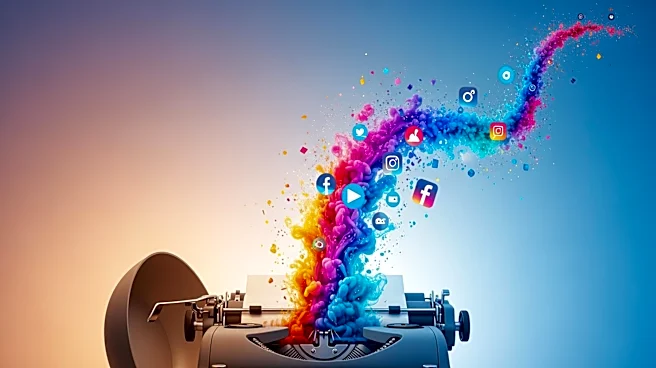
Latina poets are leveraging social media platforms to democratize poetry and reach wider audiences. Yesika Salgado, a poet from Silver Lake, Los Angeles, has gained popularity by sharing her work on Instagram, amassing over 170,000 followers. Her poetry,
inspired by personal experiences, resonates with many and has become part of academic curriculums. Similarly, Celia Martínez, a Mexican American poet, uses TikTok and Instagram to share bilingual poetry, building a substantial following and publishing several books. Vianney Harelly, another Latina poet, uses social media to share visually enriched literature, connecting with bilingual creatives. These poets are part of a broader trend where social media trends like 'Instapoetry' and #poetrytok empower Latinos to access and create literature that reflects their experiences.
Why It's Important?
The rise of Latina poets on social media signifies a shift in the literary landscape, making poetry more accessible and culturally relevant. This movement challenges traditional publishing norms, allowing underrepresented voices to gain visibility and influence. By sharing their work online, these poets reach audiences who might not engage with conventional literary channels, fostering a sense of community and representation. The impact extends beyond individual success, as it encourages diversity in literature and inspires others to pursue writing. This democratization of poetry through social media platforms highlights the evolving nature of art consumption and creation, reflecting broader societal changes in how cultural content is accessed and valued.
What's Next?
As social media continues to play a pivotal role in the literary world, more poets and writers from diverse backgrounds are likely to emerge, further diversifying the industry. The success of Latina poets may inspire educational institutions to incorporate more diverse voices into their curriculums, promoting inclusivity in literature studies. Additionally, the growing popularity of social media poetry could lead to new publishing opportunities and collaborations, expanding the reach of these creatives. The ongoing transformation of poetry through digital platforms suggests a future where literature is increasingly shaped by global and multicultural influences.
Beyond the Headlines
The use of social media by Latina poets not only democratizes poetry but also challenges cultural and linguistic barriers. By sharing bilingual and culturally rich content, these poets contribute to a broader understanding and appreciation of Latino culture. This trend also raises questions about the role of technology in preserving and promoting cultural heritage, as digital platforms become spaces for cultural expression and dialogue. The intersection of technology and art in this context highlights the potential for social media to serve as a tool for cultural preservation and innovation.