




What's Happening?
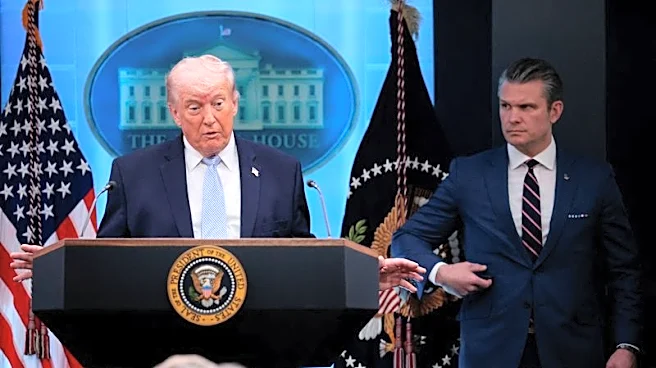
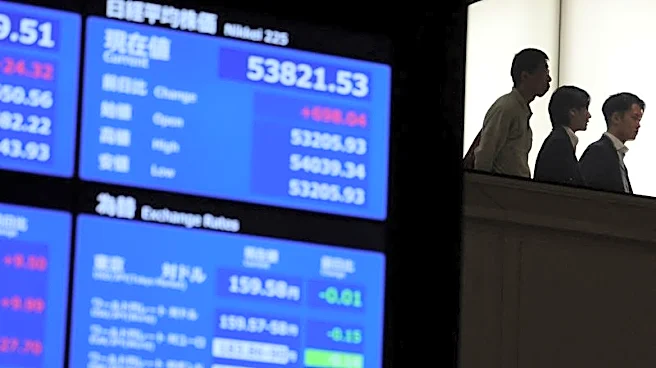
The announcement of a two-week ceasefire between the U.S. and Iran has led to a relief rally in the stock market, with significant gains in major indices. Economic experts are analyzing the potential impacts of the ceasefire on markets and the broader
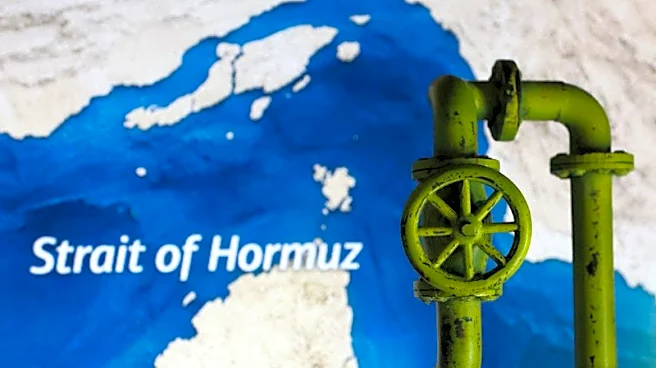
economy. While the ceasefire has temporarily eased market tensions, experts caution that the situation remains uncertain, particularly regarding the reopening of the Strait of Hormuz and the terms of the ceasefire. The potential for continued geopolitical tensions and their impact on energy prices and inflation remains a concern.
Why It's Important?
The ceasefire has provided temporary relief to markets, but the underlying geopolitical tensions and economic uncertainties persist. The reopening of the Strait of Hormuz is critical for stabilizing energy prices, which have been a major concern for global economic stability. The response of the U.S. government and international stakeholders to the ceasefire will be crucial in determining the long-term economic impact. Investors and policymakers will need to navigate these uncertainties carefully to mitigate potential risks.
What's Next?
The success of the ceasefire will depend on the actions of both the U.S. and Iran, as well as other regional stakeholders. The potential for renewed conflict or disruptions in oil supply could lead to further market volatility. Economic experts will continue to monitor the situation and provide insights into the potential impacts on global markets and economic conditions. The Federal Reserve's monetary policy decisions will also play a key role in shaping the economic outlook.