
What's Happening?
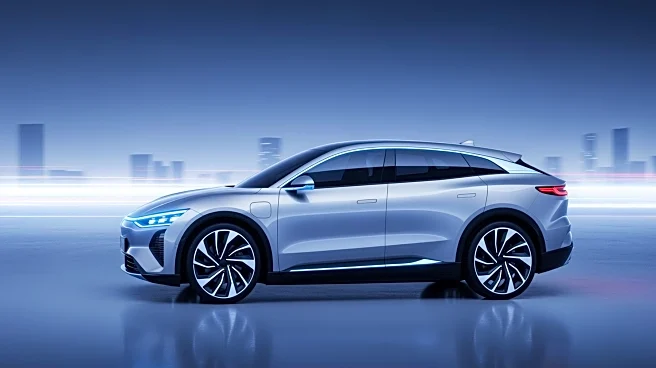
Volvo has unveiled details about its upcoming EX60 electric SUV, which promises a WLTP range of up to 810 kilometers in an all-wheel drive configuration. The vehicle, set to be fully revealed on January
21, 2026, is built on Volvo's new SPA3 architecture and features an 800-volt electrical system developed in-house. The EX60 can add 340 kilometers of range in just ten minutes using a 400kW fast charger. This model incorporates cell-to-body technology, integrating the battery directly into the vehicle's structure, and uses in-house developed electric motors. Notably, the EX60 is the first in Volvo's lineup to utilize mega casting, which replaces hundreds of smaller components with single high-precision castings to reduce weight. The vehicle also includes battery management software from Breathe Battery Technologies, which optimizes charging rates based on conditions. Volvo offers a 10-year battery warranty for all EX60 customers.
Why It's Important?
The introduction of the Volvo EX60 represents a significant advancement in the electric vehicle market, particularly in terms of range and charging efficiency. With a range of 810 kilometers, the EX60 addresses one of the primary concerns of potential electric vehicle buyers: range anxiety. The ability to quickly recharge the vehicle also enhances its practicality for long-distance travel. This development is likely to influence the competitive landscape of the electric vehicle industry, pushing other automakers to innovate and improve their offerings. The use of mega casting and cell-to-body technology could set new standards for vehicle manufacturing, potentially reducing production costs and improving vehicle performance. The EX60's features may attract environmentally conscious consumers and those looking for efficient, long-range electric vehicles, thereby expanding Volvo's market share in the growing electric vehicle sector.
What's Next?
Volvo plans to fully reveal the EX60 on January 21, 2026, which will likely include more detailed specifications and pricing information. The automotive industry and potential customers will be watching closely to see how the EX60 performs in real-world conditions and whether it meets the high expectations set by its initial specifications. Competitors may respond by accelerating their own electric vehicle development programs to keep pace with Volvo's innovations. Additionally, the success of the EX60 could influence future regulatory standards and consumer expectations regarding electric vehicle range and charging capabilities.