
What's Happening?
Researchers at Heriot-Watt University have developed a framework to repurpose mine tailings, a major industrial waste stream, into valuable construction materials. Led by Dr. Ceren Ince, the framework provides
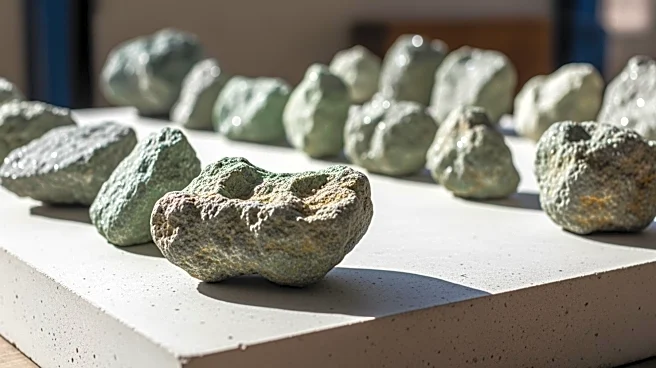
a method for analyzing and categorizing mine waste to determine its potential use in cement and other building materials. This approach aims to bridge the gap between the mining and construction industries, offering a sustainable solution to manage the vast quantities of waste produced by mining operations. The framework is designed to be adaptable to various types of tailings, allowing for a consistent and reliable method of repurposing these materials.
Why It's Important?
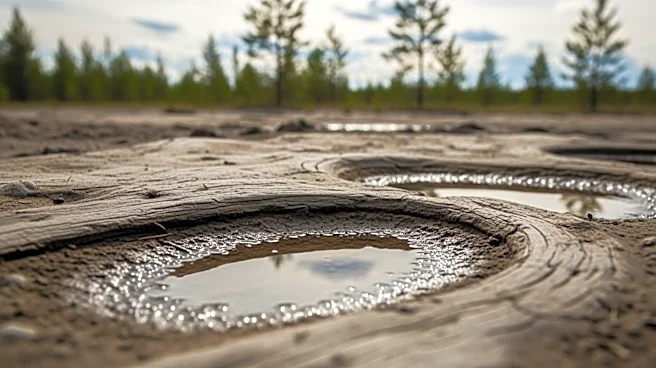
The development of this framework addresses significant environmental and economic challenges. Mine tailings pose serious environmental risks, including water contamination and ecosystem damage. By transforming these waste materials into construction resources, the framework not only reduces environmental hazards but also contributes to the circular economy. This approach could significantly lower the carbon footprint of the construction industry, which is responsible for a substantial portion of global carbon emissions. Additionally, as demand for critical minerals increases, the ability to repurpose mining waste becomes increasingly important for sustainable resource management.
What's Next?
The implementation of this framework could lead to widespread changes in how mining waste is managed globally. As the framework gains traction, mining companies may adopt these practices to reduce their environmental impact and comply with stricter regulations. Collaboration between the mining and construction sectors will be essential to fully realize the potential of this approach. Further research and development are expected to refine the framework and expand its applicability to different types of mineral waste. This initiative could set a precedent for other industries seeking to integrate sustainability into their operations.