


What's Happening?
Walking, a low-impact exercise, is gaining popularity for its health benefits, including increased aerobic fitness and reduced body fat. However, its effectiveness in building muscle is limited. According to experts like Grace Horan, a certified exercise physiologist,
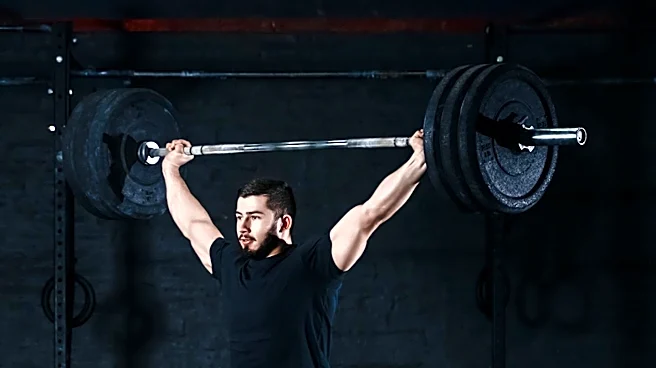
and Lindsey Bomgren, a certified personal trainer, walking primarily enhances muscular endurance rather than muscle mass. This is because walking activates slow-twitch muscle fibers, which are more about endurance than growth. To build muscle, progressive overload through resistance training is necessary. Walking can still be beneficial for older adults or those with a sedentary lifestyle, as it may help prevent age-related muscle loss. Trainers suggest incorporating inclines, weighted vests, and strength exercises into walking routines to enhance muscle engagement.
Why It's Important?
Understanding the limitations and benefits of walking in muscle building is crucial for individuals seeking to improve their physical fitness. While walking is accessible and beneficial for cardiovascular health, those aiming for muscle growth need to incorporate additional resistance training. This insight is particularly important for older adults and sedentary individuals who might rely on walking as their primary form of exercise. By adjusting walking routines to include more challenging elements, individuals can maximize the health benefits of this activity. This approach can lead to better overall fitness, improved muscle tone, and potentially delay the onset of age-related muscle decline.
What's Next?
For those looking to enhance their walking routines, trainers recommend adding elements like inclines, weighted vests, and interval training. These modifications can increase the intensity and muscle engagement during walks. Additionally, incorporating strength-based exercises such as squats or lunges during walks can further aid in muscle development. As more people become aware of these strategies, walking could become a more integral part of comprehensive fitness programs, especially for those who prefer low-impact activities. Fitness professionals may continue to explore and promote innovative ways to integrate walking with other forms of exercise to achieve balanced physical health.