






What's Happening?
Composting is gaining attention as a sustainable practice that significantly reduces landfill waste and enhances soil health. Experts Amy Enfield, Julie Bawden-Davis, and Carmen DeVito emphasize the environmental benefits of composting, which include
reducing methane emissions and improving soil structure. Composting involves using organic materials like food scraps and natural debris to create nutrient-rich soil additives. Various methods such as vermicomposting, which uses worms to break down organic matter, and Bokashi composting, a fermentation-based method, are recommended for different spaces and needs. Compost bins come in various designs, including tumbling composters and worm farms, catering to both indoor and outdoor settings.
Why It's Important?
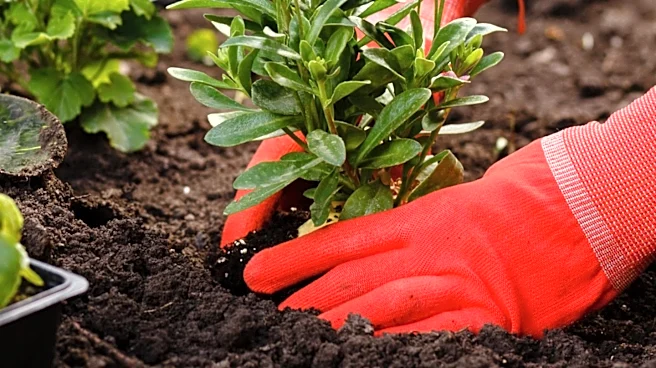
Composting plays a crucial role in environmental conservation by repurposing organic waste and reducing greenhouse gas emissions. It supports biodiversity and conserves resources, contributing to a healthier planet. For home gardeners, composting provides a cost-effective way to enrich soil, leading to healthier plant growth. The practice also aligns with sustainable waste management goals, offering a practical solution to reduce reliance on synthetic fertilizers. As awareness of environmental issues grows, composting represents a tangible action individuals can take to mitigate their ecological footprint.
What's Next?
As interest in sustainable practices continues to rise, more individuals and communities are expected to adopt composting. Educational initiatives and resources may expand to support new composters, providing guidance on methods and equipment. Innovations in composting technology, such as electric composters, could further simplify the process, making it accessible to a broader audience. Additionally, local governments might incentivize composting through waste reduction programs, encouraging widespread participation.
Beyond the Headlines
Composting not only addresses environmental concerns but also fosters a cultural shift towards sustainability. It encourages individuals to rethink waste management and resource use, promoting a more circular economy. The practice can also enhance community engagement, as shared composting initiatives bring people together to work towards common environmental goals. Long-term, increased composting could lead to significant reductions in landfill waste and improvements in urban soil quality, supporting urban agriculture and green spaces.