


What's Happening?
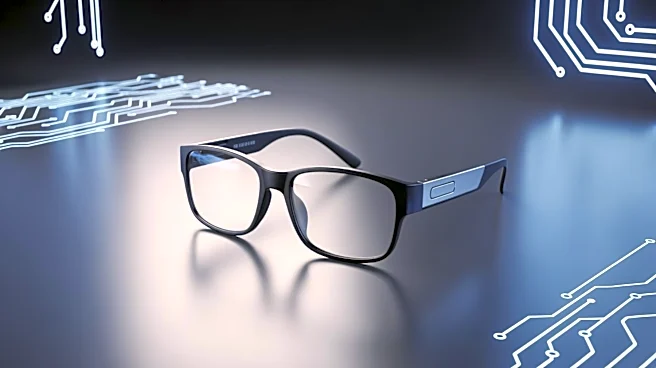
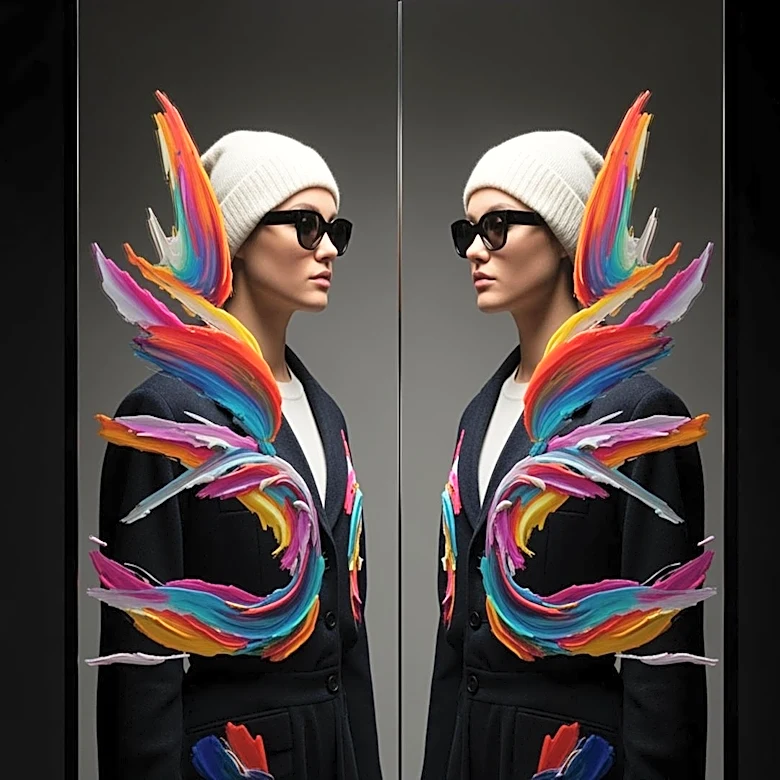
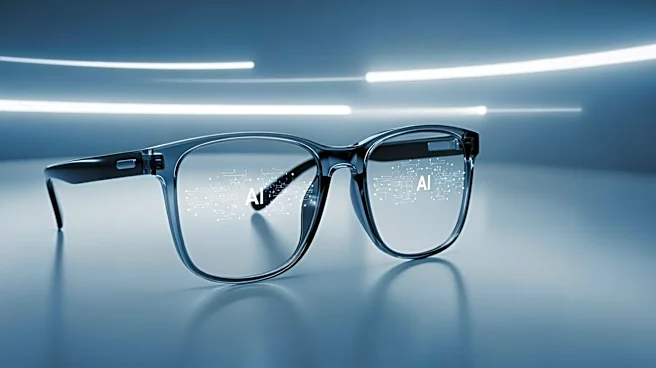
The year 2026 is witnessing significant developments in smart glass technology, with major fashion and tech companies exploring new innovations. Gucci, in collaboration with Google, plans to launch designer smart glasses in 2027, marking a significant move
towards integrating augmented reality (AR) into fashion. Apple is also testing four smart-glass designs, potentially introducing a mainstream product. However, privacy concerns are rising, with over 70 organizations warning about the risks of facial-recognition features in AR glasses. These developments highlight the intersection of fashion, technology, and privacy, as companies race to deliver wearable displays.
Why It's Important?
The advancements in smart glass technology have the potential to reshape both the fashion and tech industries. The collaboration between luxury brands like Gucci and tech giants like Google signifies a shift towards high-end AR products, which could redefine consumer expectations and market dynamics. However, the integration of facial-recognition features raises significant privacy concerns, prompting calls for stricter regulations. The outcome of these developments could influence consumer trust and the adoption of smart glasses, impacting both the fashion and tech sectors. Companies must balance innovation with ethical considerations to ensure consumer acceptance.
What's Next?
As smart glass technology evolves, companies will need to address privacy concerns to gain consumer trust. Regulatory bodies may impose stricter guidelines on the use of facial-recognition features, influencing product design and functionality. The fashion industry is likely to see more collaborations between luxury brands and tech companies, leading to innovative products that blend style and technology. Consumers can expect a wider range of smart glasses, offering various features and price points. The success of these products will depend on their ability to meet consumer demands for both functionality and privacy.