
What's Happening?
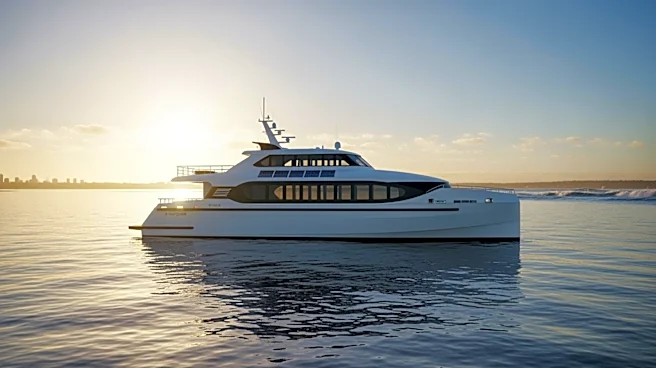
All American Marine (AAM), in collaboration with Harbor Breeze Cruises, has successfully delivered a new 108-foot parallel hybrid passenger vessel named El Escudo. This state-of-the-art vessel, designed
for harbor tours, whale watching, and special event dining in the Los Angeles and Long Beach areas, represents a significant advancement in low-emissions maritime technology. The vessel's design, developed by Nic de Waal of Teknicraft Design, meets stringent U.S. Environmental Protection Agency Tier 4 and California Air Resources Board (CARB) emissions standards. It features a parallel hybrid propulsion system that allows for zero-emissions operation during low-speed harbor activities. The propulsion system includes Selective Catalytic Reduction (SCR), Diesel Particulate Filters (DPF), and a battery system supplied by ABB Inc. The vessel can accommodate up to 350 passengers and includes multiple decks and a custom seating platform. This project is part of the Los Angeles Marine Emission Reduction (LA MER) Project, funded by CARB's Advanced Technology Demonstration and Pilot Projects grant.
Why It's Important?
The delivery of El Escudo marks a pivotal moment in the maritime industry, showcasing the potential for hybrid technology to reduce emissions in passenger vessels. This development aligns with global efforts to combat climate change by reducing the carbon footprint of transportation sectors. The vessel's ability to operate with zero emissions during certain operations sets a new standard for environmental responsibility in maritime travel. This innovation not only benefits the environment but also positions Harbor Breeze Cruises as a leader in sustainable tourism, potentially attracting eco-conscious travelers. The project demonstrates the feasibility and benefits of integrating advanced propulsion technologies in commercial vessels, which could influence future regulations and industry standards.
What's Next?
As El Escudo enters service, it is expected to serve as a model for future hybrid vessels in the U.S. and beyond. The success of this project may encourage other maritime operators to adopt similar technologies, furthering the industry's shift towards sustainability. Stakeholders, including environmental agencies and maritime companies, will likely monitor the vessel's performance and emissions data closely. The outcomes could inform policy decisions and funding allocations for similar projects. Additionally, the vessel's deployment may prompt discussions on expanding infrastructure to support hybrid and electric vessels, such as charging stations at ports.