
What's Happening?
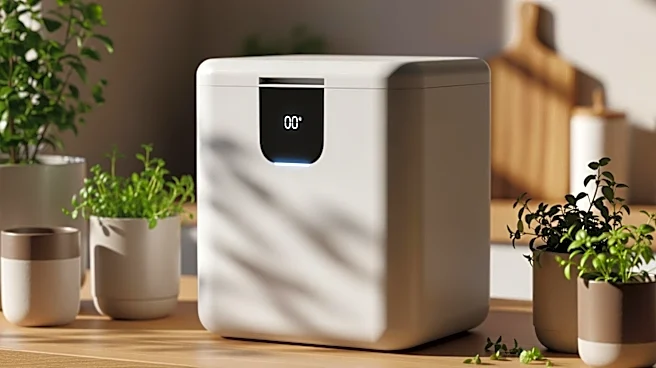
VCycene, a Canadian cleantech company, is celebrating its fifth anniversary, marking a significant milestone in its mission to redefine smart home living through innovative composting technology. Founded
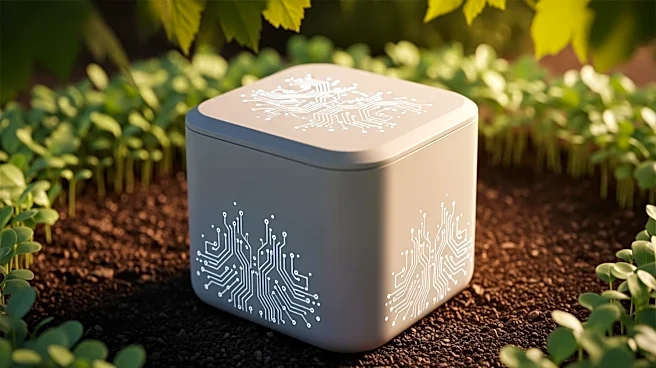
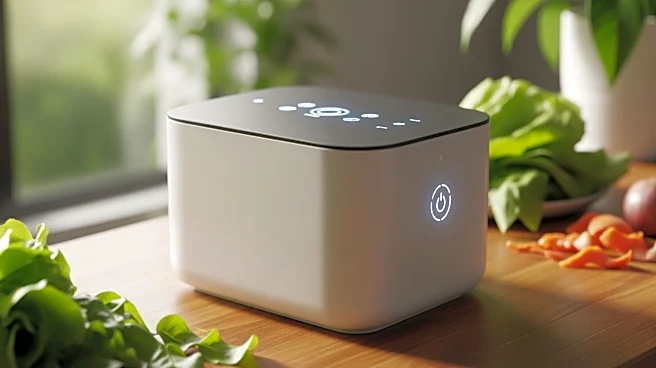
in 2021 by George Yin, the company has developed the LILA Composter, an AI-powered system that transforms food scraps into nutrient-rich compost within days. This technology aims to reduce landfill waste and promote environmentally conscious living. The LILA system uses smart sensors and automated processes to optimize composting, making it accessible and efficient for modern households. Over the years, VCycene has expanded its product line to include compact solutions for smaller homes and integrated systems for contemporary kitchens. The company has also engaged in research partnerships to advance AI-driven waste analysis and compost optimization.
Why It's Important?
VCycene's innovations are significant as they address the growing global demand for sustainable living solutions. By making composting more accessible and efficient, the company is helping to reduce food waste, a major environmental challenge. This aligns with broader efforts to promote sustainability and reduce the carbon footprint of households. The company's success reflects a shift towards integrating technology with environmental science to create practical solutions for everyday challenges. As more consumers become environmentally conscious, VCycene's products could play a crucial role in transforming waste management practices in homes across the U.S. and beyond. The company's growth also highlights the potential for cleantech innovations to drive economic and environmental benefits.
What's Next?
Looking ahead, VCycene plans to continue expanding its product accessibility and advancing its smart composting capabilities. The company aims to integrate more data-driven sustainability tools and user-centered designs into its offerings. This could involve further collaborations with academic and research institutions to enhance AI applications in waste management. As the company grows, it may also explore new markets and partnerships to increase its impact. The ongoing development of its technology could lead to broader adoption of smart composting solutions, contributing to a more sustainable future.