




What's Happening?
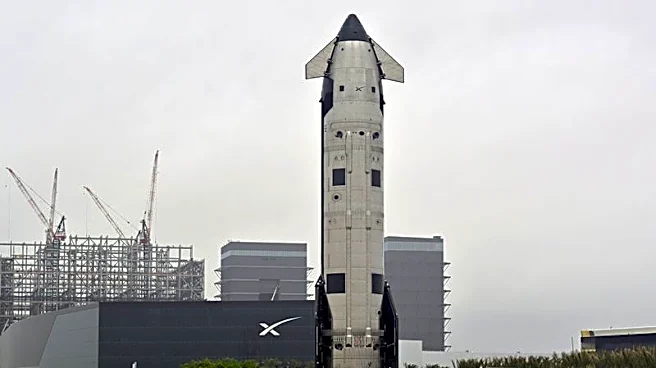
SpaceX has filed for an initial public offering (IPO), revealing the intricate financial and operational interconnections between Elon Musk's various companies. The IPO documentation highlights that Tesla, xAI, and other Musk ventures are deeply intertwined
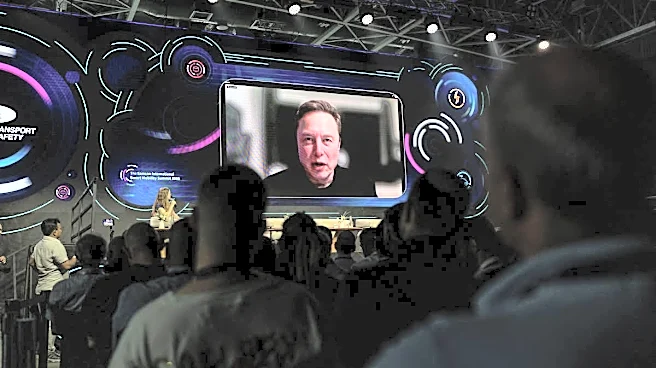
with SpaceX, with Tesla owning a significant number of SpaceX shares. The filing also discloses that SpaceX has made substantial purchases from Tesla, including Cybertrucks and Megapacks, which are used to stabilize its data centers. The IPO underscores Musk's pivotal role in SpaceX, noting that his leadership is both a major asset and a potential risk due to his involvement in multiple ventures.
Why It's Important?
The IPO of SpaceX is significant as it could potentially make Elon Musk the world's first trillionaire, given the company's high valuation. However, the filing also raises concerns about the risks associated with Musk's leadership, as his attention is divided among several high-profile companies. This situation could lead to conflicts of interest and financial challenges for SpaceX, especially if Musk's other ventures compete for resources or face financial difficulties. The IPO's success will depend on investors' confidence in Musk's ability to manage these complex intercompany relationships effectively.
What's Next?
As SpaceX moves forward with its IPO, investors and stakeholders will closely monitor how the company navigates the challenges posed by its reliance on Musk's leadership. The potential for conflicts of interest and resource allocation issues will be key areas of focus. Additionally, the market will watch for any strategic moves by Musk to streamline operations across his companies or to address the financial risks highlighted in the IPO filing.
Beyond the Headlines
The SpaceX IPO sheds light on the broader implications of having a single individual, like Elon Musk, at the helm of multiple influential companies. This situation raises questions about corporate governance, accountability, and the sustainability of such a business model. The intertwining of Musk's ventures could set a precedent for how future tech conglomerates are structured and managed, potentially influencing regulatory approaches to corporate oversight.