



What's Happening?
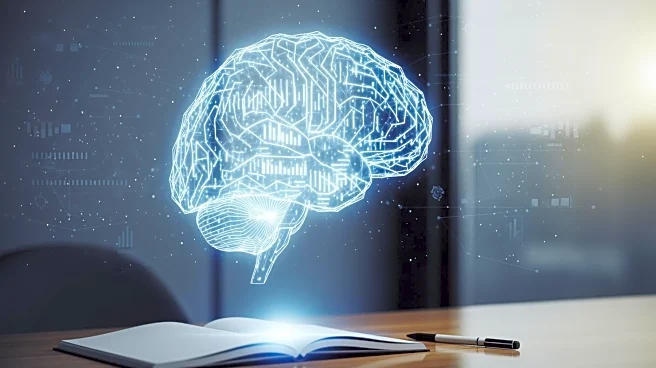
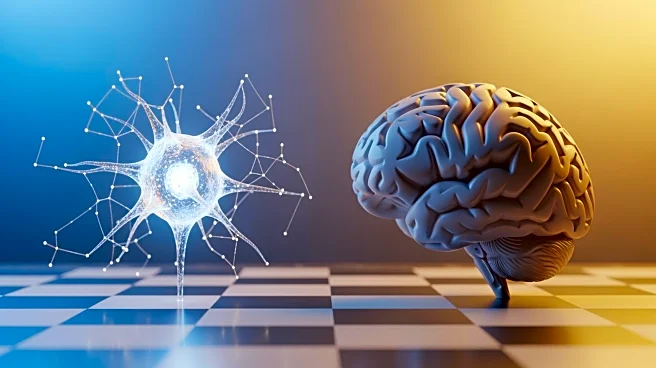
Recent discussions have highlighted claims that artificial intelligence (AI) is on the verge of surpassing human intelligence, particularly with advancements in large language models. However, experts argue that these comparisons miss the essence of human intelligence, which is inherently social, embodied, and collective. Unlike AI, which processes information in isolation, human intelligence is shaped by shared language, cultural transmission, and cooperation. The data used to train AI systems represents a narrow slice of humanity, often lacking the diversity that characterizes human cognitive achievements. This has led to concerns about cultural bias and the limitations of AI in replicating the full spectrum of human intelligence.
Why It's Important?
The debate
over AI's potential to surpass human intelligence has significant implications for how society perceives and integrates AI technologies. While AI systems are powerful tools that can enhance efficiency and decision-making, they remain dependent on human input and lack the ability to engage in collective reasoning or ethical decision-making. This distinction is crucial as it highlights the need for responsible AI development and governance. Overemphasizing AI's capabilities could distract from addressing real issues such as bias, labor impacts, and the ethical integration of AI into society. Understanding the limitations of AI is essential for ensuring that these technologies are used to complement rather than replace human intelligence.
Beyond the Headlines
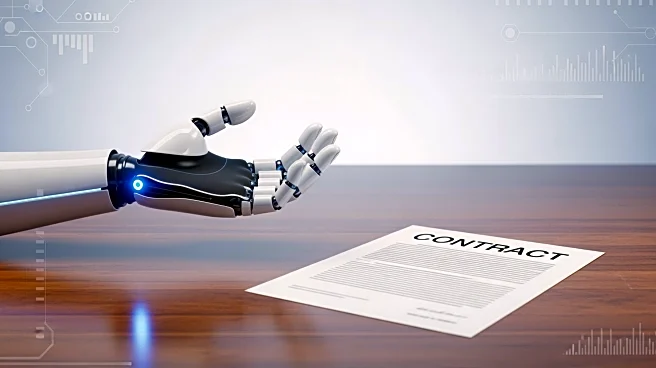
The ongoing discourse about AI and human intelligence also raises questions about the future of work and the role of technology in society. As AI systems become more prevalent, there is a risk of over-reliance on these technologies, potentially leading to job displacement and changes in workforce dynamics. Additionally, the ethical considerations surrounding AI, such as data privacy and algorithmic bias, require careful attention to prevent unintended consequences. By recognizing the unique aspects of human intelligence, stakeholders can better navigate the challenges and opportunities presented by AI, fostering a more balanced and equitable technological landscape.