






What's Happening?
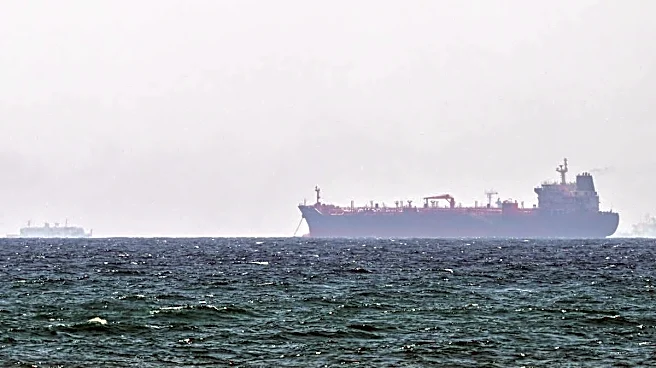
Jeff Currie, Carlyle's chief strategy officer of energy pathways, has raised concerns about the global oil market nearing critical supply shortages. The disruption in oil exports from the Middle East, particularly due to the closure of the Strait of Hormuz,
has led to a significant depletion of global oil inventories. Currie highlighted that Asia is already close to minimum operating levels, with Europe expected to face similar challenges soon. The U.S. Strategic Petroleum Reserve has been tapped to export oil to Europe, providing temporary relief, but this cannot continue indefinitely. The International Energy Agency has also warned of a potential supply squeeze during the peak summer consumption period if Middle Eastern exports do not recover.
Why It's Important?
The potential oil supply shortages could have significant implications for global energy markets and economies. As inventories deplete, oil prices may rise, affecting industries reliant on oil and increasing costs for consumers. The situation underscores the vulnerability of global energy supply chains to geopolitical disruptions. The reliance on the U.S. Strategic Petroleum Reserve for temporary relief highlights the need for more sustainable solutions. If shortages persist, it could lead to increased energy costs and economic strain, particularly in regions heavily dependent on oil imports. The situation also strengthens Iran's leverage in ongoing negotiations, as its strategy of reducing exports impacts global supply.
What's Next?
The reopening of the Strait of Hormuz is seen as the only lasting solution to the current supply crunch, although it would take time to normalize markets. Stakeholders, including governments and energy companies, may need to explore alternative supply routes and increase production to mitigate shortages. The U.S. may face its own supply challenges by July if the situation does not improve. Policymakers might consider measures to stabilize markets, such as increasing domestic production or negotiating with oil-producing countries to boost exports. The ongoing geopolitical tensions in the Middle East will continue to influence global oil supply dynamics.