
What's Happening?
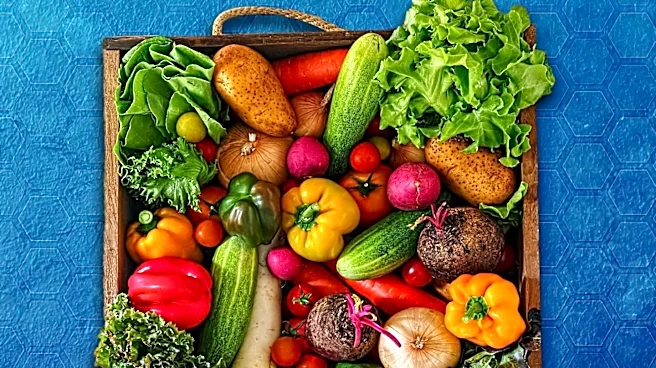
Cardiologists are advocating for the Mediterranean diet as the optimal dietary pattern for longevity and overall health. This diet, which emphasizes the consumption of extra virgin olive oil, fruits, vegetables,
legumes, nuts, and fish, is linked to a significant reduction in cardiovascular risks, including heart attacks and strokes. It also supports brain health by reducing the risk of cognitive decline and neurodegenerative diseases. The diet's benefits extend to improved cholesterol levels, metabolic health, and reduced chronic inflammation, making it a sustainable and filling option without extreme dietary restrictions.
Why It's Important?
The Mediterranean diet's endorsement by cardiologists highlights its potential to improve public health outcomes significantly. As heart disease remains a leading cause of death in the U.S., adopting this diet could reduce healthcare costs and improve quality of life for many Americans. The diet's emphasis on whole, minimally processed foods aligns with growing trends towards sustainable and health-conscious eating. Its proven benefits for heart and brain health make it a compelling choice for those seeking to enhance longevity and prevent chronic diseases.
What's Next?
The promotion of the Mediterranean diet may lead to increased public awareness and adoption, potentially influencing dietary guidelines and public health policies. Healthcare providers might recommend this diet more frequently to patients at risk of cardiovascular and neurodegenerative diseases. Additionally, food industries could see a rise in demand for Mediterranean staples, such as olive oil and nuts, prompting shifts in agricultural and food production practices. Further research could explore the diet's impact on other health outcomes, reinforcing its status as a model for healthy eating.