





What's Happening?
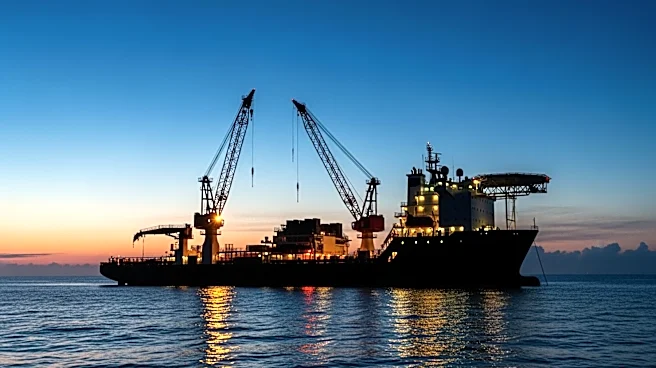
Glamox, a global leader in lighting solutions, has been contracted to supply lighting for four Offshore Energy Support Vessels (OESVs) being constructed for Sea1 Offshore AS. These vessels are designed to support offshore energy installations, including
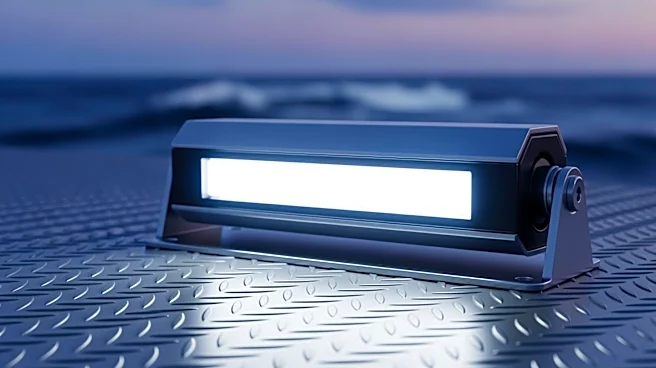
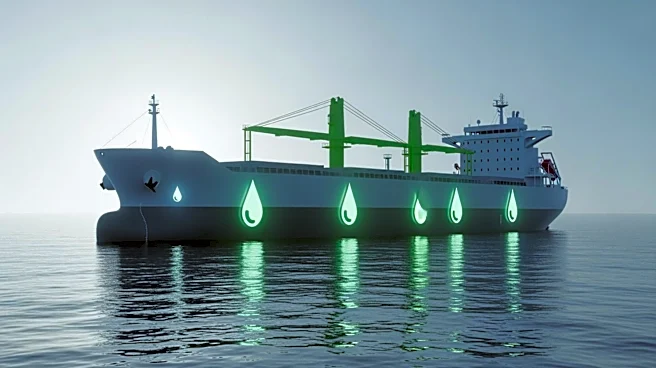
wind farms and oil platforms. Glamox will provide approximately 8,000 marine LED lights for both the exterior and interior of the vessels. The lighting includes rugged, explosion-proof luminaires and floodlights for the exterior, and multipurpose luminaires for various interior spaces. The vessels are built to high specifications to operate in harsh sea conditions, and the energy-efficient lighting complements their environmental benefits, such as methanol-ready generators capable of running on biofuel.
Why It's Important?
The integration of energy-efficient lighting in these vessels is significant for reducing emissions and operational costs in the offshore energy sector. Glamox's marine-certified luminaires are designed to have a long lifespan, which supports Sea1 Offshore's goals of minimizing maintenance needs and lowering total operational costs. This project marks a milestone for Glamox's marine business, highlighting the growing demand for sustainable solutions in the maritime industry. The vessels' ability to operate on biofuel further underscores the industry's shift towards greener technologies, which is crucial for meeting global environmental targets and reducing the carbon footprint of maritime operations.
What's Next?
Glamox is set to deliver the lighting for the first vessel to COSCO Shipping (Qidong) Offshore Co. Ltd in April, with subsequent deliveries every three months. The vessels, based on the ST-245 design, are scheduled for delivery between 2027 and the first half of 2028. As these vessels become operational, they will likely set a precedent for future offshore support vessels, encouraging other companies to adopt similar sustainable technologies. The successful implementation of these energy-efficient systems could lead to broader adoption across the industry, influencing future vessel designs and operational standards.