




What's Happening?
The latest Consumer Price Index data reveals that U.S. inflation surged to 3.3% in March, marking the fastest annual pace in nearly two years. This increase is largely attributed to a significant rise in gasoline prices, which jumped 21.2% during the month,
accounting for nearly three-quarters of the overall monthly increase. The inflationary pressures are primarily driven by the ongoing conflict in Iran, which began in late February, causing a ripple effect on energy prices. Economists had anticipated a 0.9% monthly increase in prices, which aligns with the actual data. The war's impact has reversed the progress made on inflation, with Americans' wage gains being eroded as inflation outpaces earnings. Core inflation, excluding volatile categories like gas and food, rose 0.2% in March, maintaining the same pace as February.
Why It's Important?
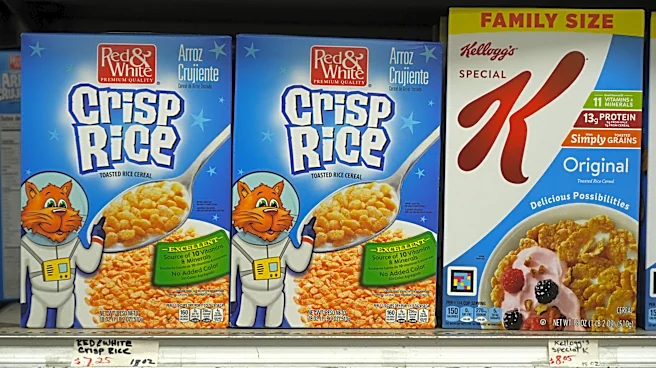
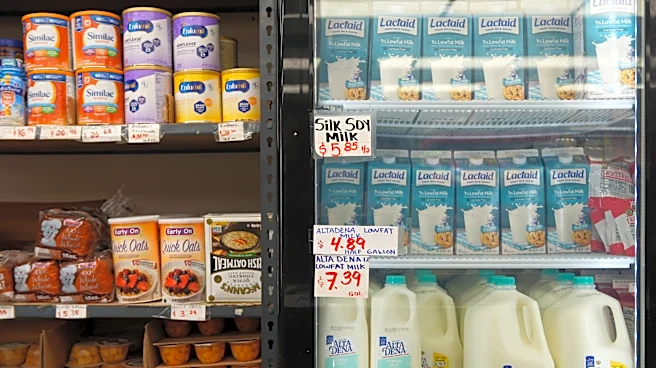
The acceleration of inflation has significant implications for the U.S. economy and consumers. As inflation rises, the purchasing power of consumers diminishes, effectively reducing real income and potentially slowing economic growth. The increase in energy prices, particularly gasoline, affects a wide range of goods and services, leading to higher costs for transportation, groceries, and other essentials. This situation poses a challenge for policymakers who must balance inflation control with economic growth. The ongoing conflict in Iran adds uncertainty to the economic outlook, as further disruptions in energy supply could exacerbate inflationary pressures. The situation underscores the vulnerability of the U.S. economy to geopolitical events and highlights the need for strategies to mitigate such impacts.
What's Next?
Inflation is expected to continue rising in the coming months as the effects of the Iran conflict persist. Economists predict that price increases will extend beyond energy to other sectors, including transportation and groceries. The recent ceasefire in Iran offers some hope for stabilization, but uncertainty remains. Policymakers may need to consider measures to address inflation, such as adjusting interest rates or implementing fiscal policies to support affected industries and consumers. The Federal Reserve will likely monitor the situation closely to determine the appropriate response to maintain economic stability. Consumers should prepare for continued price increases and potential adjustments in spending habits.