





What's Happening?
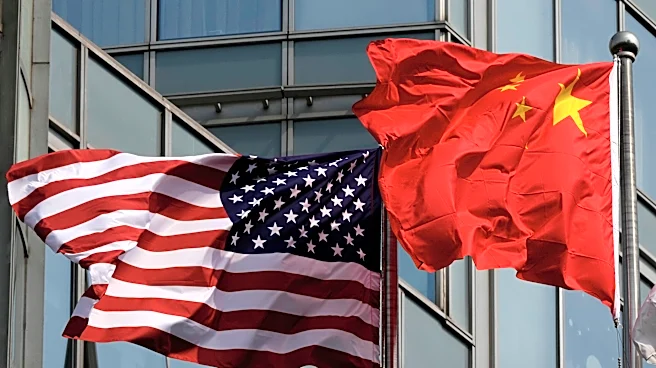
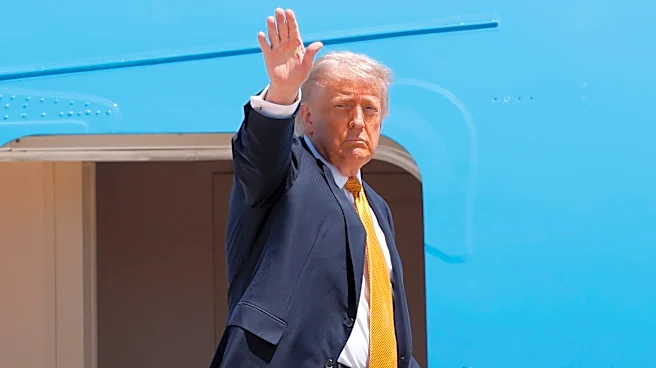
Minnesota farmers are expressing cautious optimism following President Trump's announcement of a new trade deal with China. The agreement, which was reached after discussions between President Trump and Chinese President Xi Jinping, involves China committing
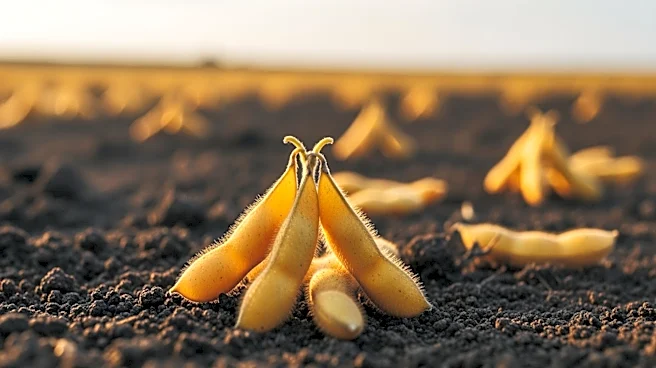
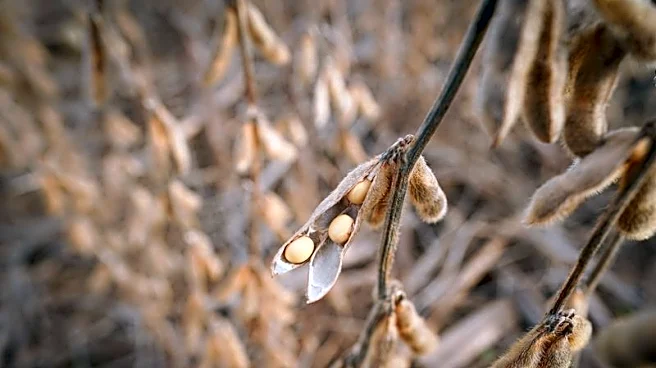
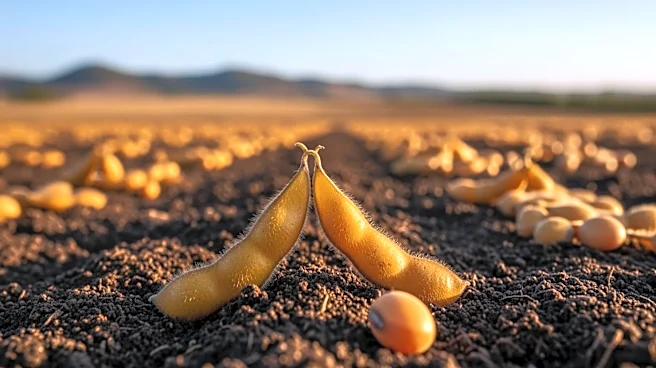
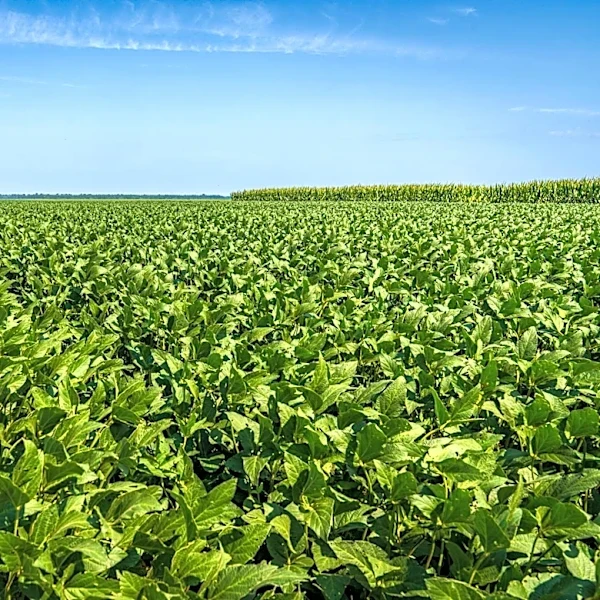
to purchase more American agricultural products, including soybeans. This development is particularly significant for Minnesota farmers, who have been affected by previous trade tensions and tariffs that impacted their ability to export soybeans to China. The deal is expected to provide a much-needed boost to the local agricultural economy, although some market analysts remain skeptical about the extent of China's increased purchases, especially given their recent preference for cheaper Brazilian soybeans.
Why It's Important?
The trade deal between the U.S. and China is crucial for the agricultural sector, particularly for soybean farmers in Minnesota who have faced economic challenges due to trade disputes. The agreement could lead to increased demand for U.S. soybeans, potentially stabilizing prices and providing financial relief to farmers. This development also highlights the broader implications of international trade policies on local economies, as well as the importance of diplomatic negotiations in resolving trade conflicts. However, the skepticism from market analysts suggests that the actual impact on soybean exports may be limited, depending on China's adherence to the agreement and global market conditions.
What's Next?
The next steps involve monitoring China's compliance with the trade agreement and assessing the actual increase in soybean purchases. U.S. farmers and agricultural stakeholders will be closely watching the implementation of the deal to ensure that the promised benefits materialize. Additionally, there may be further negotiations or adjustments needed if the expected outcomes are not achieved. The situation also sets the stage for future trade discussions between the U.S. and China, as both countries navigate their economic relationship amid ongoing geopolitical tensions.