




What's Happening?
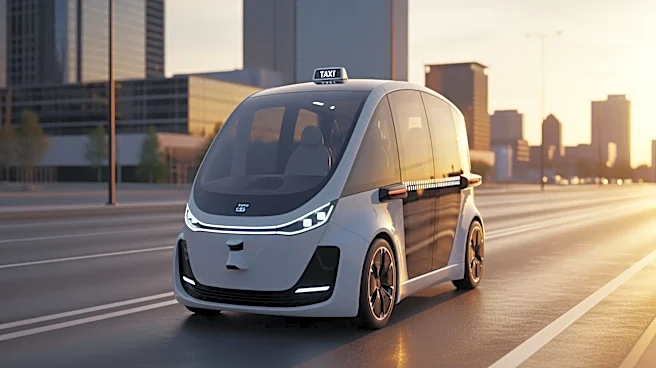
Tesla's robotaxi service in Texas is encountering significant operational challenges, as reported by Reuters. The service, which is still in a beta-testing phase, is plagued by long wait times and limited availability. In Dallas, a trip that should take
20 minutes extended to two hours, with drop-off points often far from the intended destination. Similar issues were reported in Houston and Austin, where wait times frequently exceeded 15 minutes, and in some cases, no cars were available. Tesla's robotaxis have also been involved in 15 accidents, raising safety concerns. Despite these issues, Tesla has not provided a public comment.
Why It's Important?
The challenges faced by Tesla's robotaxi service highlight the complexities of deploying autonomous vehicles at scale. These operational issues could impact Tesla's reputation and its ambitious plans to expand its robotaxi network. The inefficiencies and safety concerns may deter potential users and slow the adoption of autonomous vehicle technology. Furthermore, the lack of transparency regarding accident data could lead to regulatory scrutiny. This situation underscores the broader challenges in the autonomous vehicle industry, where reliability and safety are paramount for public acceptance.
What's Next?
Tesla will need to address these operational challenges to improve service reliability and safety. This may involve refining its navigation systems and increasing the availability of vehicles. Regulatory bodies may also demand more transparency regarding safety data. As Tesla works to resolve these issues, competitors like Waymo, which have more established autonomous services, may gain a competitive edge. The outcome of Tesla's efforts could influence the future trajectory of autonomous vehicle deployment in the U.S.